Deploying target formulations engineered to balance sebum, combat microflora shifts, and restore hair follicle vitality under intense tropical environmental stress.
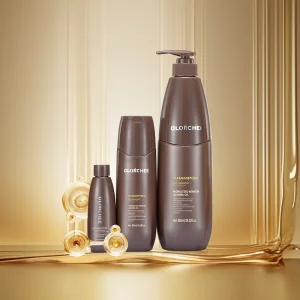

As the largest country in Sub-Saharan Africa by land area, the Democratic Republic of Congo (DRC) is undergoing a major demographic and industrial transformation. In metropolitan centers like Kinshasa, Lubumbashi, and Kisangani, rapid urbanization, rising middle-class disposable income, and a growing consciousness of aesthetic wellness are reshaping the personal care sector. Historically focused on basic hair styling and heavy pomades, the market has pivoted toward specialized trichology and scalp health care.
However, the equatorial and tropical climates of the DRC present distinct environmental stressors that trigger specific scalp pathologies. High humidity levels, elevated ambient temperatures, and dust exposure combine with high-pH tap water to alter the natural protective mantle of the scalp. This combination exacerbates issues like seborrheic dermatitis, dandruff (Pityriasis capitis), folliculitis, and traction alopecia due to traditional tight braiding styles. Consequently, standard global hair formulations often fail to address these unique needs, creating a high-growth niche for localized OEM/ODM scalp care manufacturing.
Formulations must withstand consistent ambient temperatures exceeding 35°C without emulsion separation, active degradation, or fragrance alteration during transit and storage.
Managing the proliferation of Malassezia yeasts, which thrive in high-humidity sweat, is critical to preventing chronic flaking and inflammation of the follicular scalp layer.
Coily and curly hair shafts (Type 3C to 4C) require specialized sebum distribution and deep-penetrating moisturization, ensuring the scalp skin barrier is not stripped of natural oils.
Understanding user intent in this sector requires identifying the primary drivers of purchase behavior among salons, clinics, and consumer brands in the DRC. The table below outlines how specific tropical environmental factors require target modifications in product formulations:
| Environmental Stressor | Impact on Scalp Physiology | Required Formulating Strategy | Core Active Ingredients |
|---|---|---|---|
| High Humidity & Heat | Overactive sebaceous glands, malodour, yeast colonization. | Astringent yet hydrating surfactant matrices, oil-control dynamics. | Zinc PCA, Tea Tree oil, Seaweed extracts, Salicylic Acid. |
| High UV Index | Photodamage of follicular keratinocytes, oxidation of scalp lipids. | Antioxidant-enriched topical shields, non-greasy UV-absorbing barriers. | Tocopherol (Vitamin E), Niacinamide, green tea catechins. |
| Airborne Dust & Pollutants | Follicular clogging, micro-inflammation, scalp itch. | Deep detoxifying chemical exfoliants without physical abrasives. | Salicylic Acid (BHA), Activated Charcoal, botanical fruit enzymes. |
| Hard Borehole/Tap Water | Calcium build-up on hair shaft, dry and irritated scalp skin. | Chelating agents to bind minerals, lipid replenishment therapy. | Sodium phytate, Ceramides, Panthenol (Pro-Vitamin B5). |
Our organization is a premier global industry-and-trade enterprise, active since 2007 in bridging advanced dermatological research with scalable contract manufacturing. We serve distributors, private label brands, and aesthetic hair clinics throughout Sub-Saharan Africa, offering bespoke OEM/ODM cosmetic formulations and technical trichological equipment.
The production site spans 11,241㎡ (excluding office area), distributed across three floors. Each floor is functionally zoned to support the full-cycle manufacturing of personal care products with complete OEM/ODM capabilities. With a robust R&D team, certified manufacturing factory, and a strong global presence, we deliver innovative and reliable solutions for leading brands around the world.
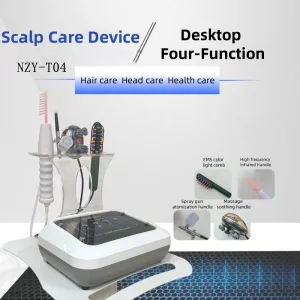
Alongside liquid formulations, clinical scalp diagnosis and electro-therapeutic rehabilitation play a vital role. The following products support professional trichologists and high-end salon operators across the DRC in measuring hair density and correcting follicular damage:
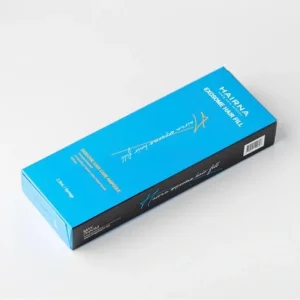
Manufacturing cosmetic formulations destined for the Democratic Republic of Congo requires adherence to rigorous testing and production guidelines. From our 11,241㎡ facility, we control the entire value chain—from molecular R&D to primary formulation and regulatory registration support. This end-to-end framework protects our clients' investments against product degradation, regulatory rejection, or supply-chain disruptions.
Entering the DRC cosmetic market requires navigation of local customs through the Office Congolais de Contrôle (OCC). The OCC enforces mandatory quality checks under the Verification of Conformity (VoC) program to protect consumers from substandard formulations, heavy metals, or toxic bleaching agents. Our production team assists brand owners by providing full documentation support:
To establish competitive advantages, modern brands in Central Africa integrate natural botanicals native to the Congo Basin or neighboring regions. Consumers value locally sourced oils that carry traditional heritage. Our R&D division has optimized the extraction and stabilization of these natural materials, integrating them into high-tech cosmetic bases:
Enables intense lipid recovery without clogging follicles. Highly effective for scaling scalp disorders exacerbated by dry, dusty wind seasons (Harmattan).
Delivers high concentrations of oleic acid, providing antioxidant protection to the scalp epidermis against extreme UV exposure.
Provides a cooling sensory experience, reducing the perception of heat and itchiness while regulating microflora under high humidity.
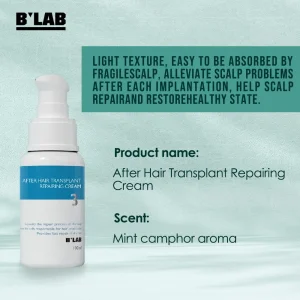
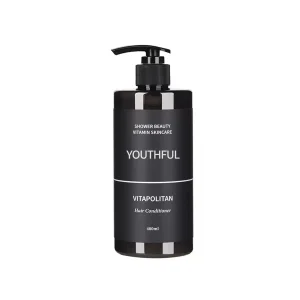
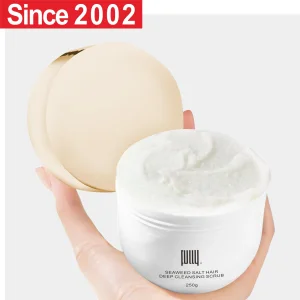
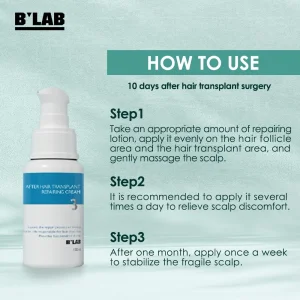
The following selections showcase our complete cosmetic manufacturing capability, including clinical hair transplant aftercare, therapeutic oil control shampoos, and deep exfoliating sea salt scrubs. Each product is ready for private labeling and formulation adjustments.

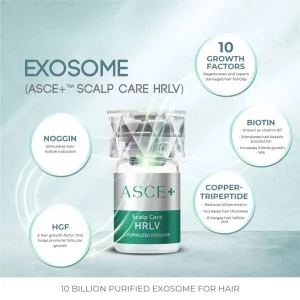
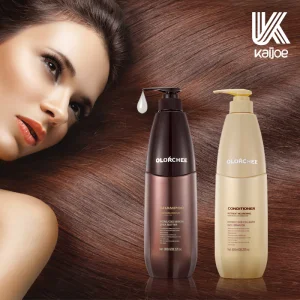
As the scalp care industry matures across Africa, the separation between topical products and clinical treatments is closing. Forward-looking brands in DRC are moving toward dynamic solutions that pair home-care formulas with clinic-based therapies. High-frequency tools, follicular analyzers, and exosome micro-needling represent the leading edge of this market shift.
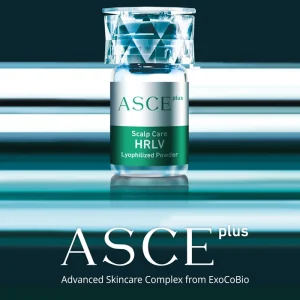
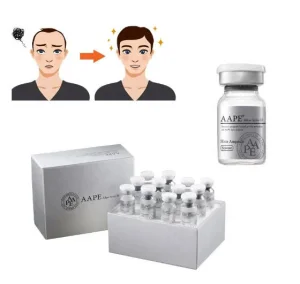
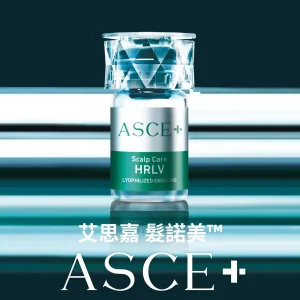
Traction alopecia is a major scalp challenge in Sub-Saharan Africa, caused by chronic tension on the hair follicle from braids, extensions, and tight weaves. It leads to follicular inflammation, micro-scarring, and eventual hair loss. Advanced cell-free biotechnology—particularly lyophilized exosome therapies—offers new ways to address this issue:
High temperatures can degrade active ingredients in creams, scrubs, and serums. Our R&D team uses advanced formulation techniques to ensure product performance in hot climates:
Everything you need to know about partnering with our factory for professional-grade scalp care formulation, customs regulations, and custom manufacturing solutions.
 Nativis Beauty