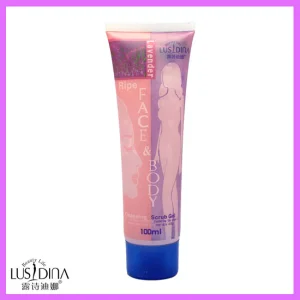
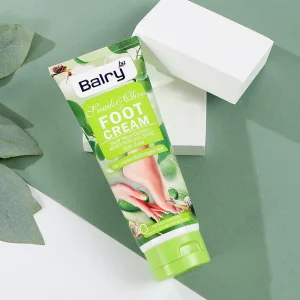
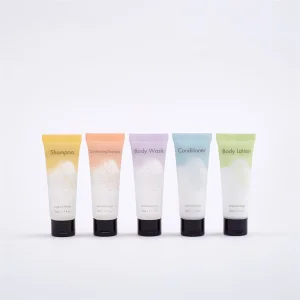
Explore our core high-demand products engineered with cutting-edge skincare science.
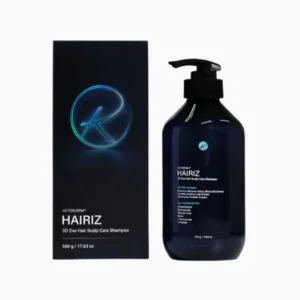
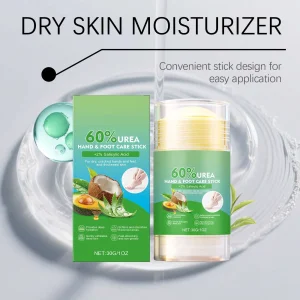
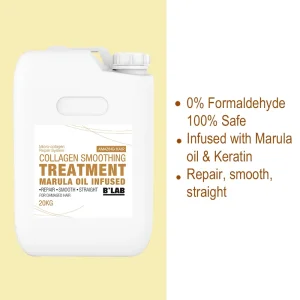
The global foot care product market is undergoing a structural transition. Consumers are moving away from basic, generic bath salts toward clinically validated, active-dense formulations designed to resolve targeted physiological concerns like hyperkeratosis, anhydrosis, and compromised skin barriers. Within this ecosystem, finding the right foot scrub supplier and exporter involves analyzing formulation capacity, regulatory alignment, and technological sophistication.
For B2B buyers—ranging from medical-grade podiatric distributors to global e-commerce cosmetics brands—securing a manufacturing partner with a strict adherence to international quality standards is critical. This white paper breaks down the criteria for identifying top-tier suppliers, details the manufacturing capabilities of industry leaders, and analyzes the technology behind modern exfoliation systems.
In compliance with Google's E-E-A-T (Experience, Expertise, Authoritativeness, and Trustworthiness) standards, B2B sourcing decisions require high transparency in formulation safety data sheets (MSDS), micro-testing protocols, and supply chain visibility. Choosing the right exporter is not just about price; it is about mitigating regulatory risk in diverse markets such as the USA (FDA compliance), Europe (CPNP registration), and Asia-Pacific.
A comparative framework highlighting what differentiates top-tier manufacturers from standard contract packagers.
Exporters at the forefront integrate active compounds such as high-concentration Urea (up to 60%), alpha-hydroxy acids (AHAs), and salicylic acid (BHA) to deliver chemical peeling effects combined with mechanical exfoliation.
Strict environmental laws prohibit microplastics. Premier suppliers offer eco-friendly abrasive media such as custom-grade walnut shell powders, pumice stones, silica, apricot kernels, and hydrogenated castor oil wax beads.
Top-tier suppliers hold ISO 22716:2007 (Cosmetics GMP) and US FDA OTC drug manufacturing qualifications. This ensures frictionless entry through customs control systems in North America and Western Europe.
Preventing phase separation in high-electrolyte salt scrubs. Advanced suppliers utilize high-shear dispersion mixers to maintain chemical matrix stability under variable thermal ranges during shipping.
Providing certifications such as vegan formulation validation, cruelty-free sourcing, RSPO-certified palm oil derivative sourcing, and COSMOS/Ecocert compatibility options for brands demanding premium market positioning.
Offering fully integrated lines for packaging styles from standard wide-mouth jars and PET squeeze tubes to zero-waste aluminum tubs and eco-friendly PCR (Post-Consumer Recycled) polymers.
China's personal care industrial hubs have transformed from low-cost assembly lines to technology-driven manufacturing ecosystems. By combining localized raw-material chemical processing with industrial automation, modern factories offer significant benefits for global sourcing operations:
A detailed technical review of mechanical and chemical properties involved in professional-grade foot care.
Mechanical action relies on selected particle geometries to lift dead stratum corneum cells. Premium formulations choose rounded particles to avoid micro-tearing the skin barrier.
Chemical peeling actions disrupt the desmosomes holding dead skin cells together, allowing gentle shedding of callused tissue without friction.
Post-exfoliation skin is sensitive. Adding moisture-retaining lipid structures protects the newly exposed skin layers from trans-epidermal water loss (TEWL).
Industry research shows the personal care market is focusing heavily on multi-functional products. B2B buyers should align their product strategies with these key macro-trends:
Water-free scrub matrices preserve active ingredients better, require fewer preservatives, and reduce shipping weights, alignment with clean-beauty practices.
Integrating cellular signalers like plant-derived exosomes accelerates tissue recovery on cracked heels and thick skin calluses.
Balancing the foot's microflora through prebiotic and probiotic lysates, which helps control odor-causing bacteria naturally.
Different distribution channels require distinct product architectures, packaging designs, and formulation strengths.
Demands high-viscosity formulations packaged in bulk sizes (1kg to 5kg tubs). These require long-lasting scent profiles (such as peppermint or eucalyptus) and smooth textures suited for massage therapy.
Requires unscented, dermatologically tested formulations. These products rely heavily on high urea contents (30-40%), salicylic acid, and therapeutic soothing compounds without irritating allergens.
Requires high-impact packaging (such as squeeze tubes with hanging cards or clean-label PCR jars) along with consumer-oriented active ingredients like natural fruit extracts and coconut shell powders.
Explore our deep-cleansing formulations, eco-friendly bath accessories, and professional spa equipment.
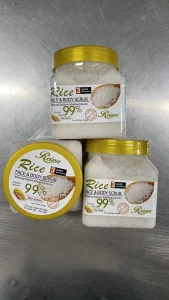
 Nativis Beauty