Experiencing dryness after a shower is a common concern. Many people wonder, "why does my skin feel dry after showering?" A 2023 report from the American Academy of Dermatology highlights that nearly 60% of adults experience some form of skin dryness post-bathing. This phenomenon can be attributed to various factors, including temperature, humidity, and the type of products used.
Dr. Emily Thompson, a leading dermatologist, emphasizes, "Hot water strips moisture away, leading to dry skin." The long, lukewarm showers many enjoy may feel soothing but can disrupt the skin's natural barrier. When this barrier is compromised, it struggles to retain moisture. Moisturizers can help, but they should be applied immediately after drying off to lock in hydration.
Environmental factors also play a significant role. Seasonal changes and indoor heating can worsen skin dryness. Even healthy practices can sometimes have unintended effects, leading to questions about proper skincare routines. Understanding why your skin feels dry after showering is essential for developing effective solutions.
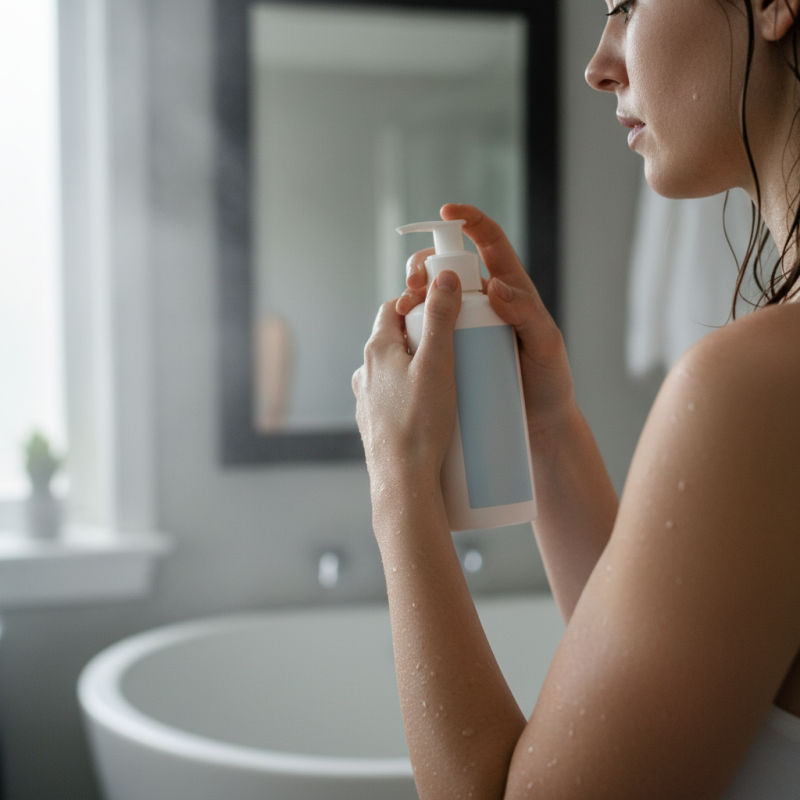
Understanding Skin Hydration Mechanisms Post-Shower
Showering often strips the skin of natural oils, leading to dryness. According to the Journal of Dermatology, over 60% of people report feeling dry after showering. This can be attributed to hot water, which can disrupt the skin barrier. The barrier serves as a protective layer, preventing moisture loss.
Water exposure can dilute the skin's natural lipids. A study from the American Academy of Dermatology highlights that maintaining these lipids is crucial for hydration. When disrupted, the skin may feel tight or flaky. Shorter showers with lukewarm water can alleviate this issue.
Moisturizing immediately after showering helps restore hydration. Products containing ceramides can be effective in replenishing the skin barrier. Nonetheless, it’s important to choose the right products, as some may irritate sensitive skin. A tailored approach is often necessary to find what works best.
Skin Hydration Levels Post-Shower in 2026
This chart illustrates the average skin hydration levels (measured in hydration score) before and after showering across different skin types in 2026.
Common Causes of Dry Skin After Showering in 2026
Dry skin after showering is a common concern for many people in 2026. Several factors contribute to this discomfort. Hot water can strip your skin of its natural oils. While it may feel relaxing, the heat can lead to dehydration. Gentle, cooler showers are preferable for maintaining skin moisture.
Moreover, the products you use matter. Some soaps contain harsh chemicals that can irritate the skin. Look for gentle, fragrance-free options instead. Sometimes, natural ingredients like aloe vera or shea butter may provide relief.
Lastly, indoor environments can play a significant role. Heating systems often dry out the air, which affects your skin. Adding a humidifier can help combat this issue at home. An effective skincare routine is essential, but finding the right products requires patience and trial-and-error. Each person's skin responds differently, so be mindful of what your body tells you.
Effects of Water Temperature on Skin Moisture Levels
The temperature of the water you use during showering plays a significant role in skin hydration.
Hot water can strip your skin of its natural oils. This results in a feeling of dryness after a shower.
Warm water may feel soothing, but it can also lead to a loss of moisture. It is essential to find a balance that keeps your skin feeling healthy.
Cooler water temperatures may help maintain your skin's moisture levels. A gentle rinse at the end of your shower can provide added hydration.
Consider reducing the shower time to minimize drying effects. It might feel counterintuitive, but shorter, cooler showers can lead to better overall skin health.
Pay attention to how different temperatures affect your skin. Everyone's skin reacts differently.
If you notice increased dryness, it may be time to adjust your routine. Reflection on these small changes can lead to significant improvements in your skin's comfort.
Remember that your skin deserves care and attention.
Role of Skin Care Products in Hydration and Dryness
After a refreshing shower, you might notice your skin feels dry and tight. This is a common issue, particularly influenced by the products you use. Certain soaps and cleansers can strip your skin of its natural oils. As a result, the skin barrier becomes compromised, leading to that uncomfortable dryness.
Many people don't realize that hot water can exacerbate this effect. It’s best to use lukewarm water instead. After showering, apply a moisturizer immediately to lock in moisture. Look for products containing hyaluronic acid or glycerin, as they attract water to the skin. Natural oils like jojoba or almond oil can also be beneficial.
Tips: Consider using fragrance-free products. Fragrances can cause irritation, which may worsen dryness. Remember to exfoliate once a week, but avoid harsh scrubs. Gentle exfoliation helps remove dead skin cells without further stripping moisture. It’s essential to listen to your skin. If a product doesn’t work for you, don’t hesitate to try something else. Each individual’s skin is different, and it may take time to find what best suits your needs.
Preventative Measures for Post-Shower Skin Dryness
After a refreshing shower, many people experience dry skin. This common issue can stem from multiple factors, including hot water and harsh soaps. Skin moisture strips away, leaving it feeling tight and uncomfortable.
To combat post-shower dryness, consider adjusting your shower temperature. Hot water can feel great, but it significantly dries out your skin. Instead, use warm water. It cleans without removing as much moisture.
Moisturizing right after your shower can be a game changer. Apply a thick cream or lotion while your skin is still damp. This technique locks in moisture. Choose products containing hydrating ingredients like hyaluronic acid or glycerin.
Be mindful of your shower routine. Aim for shorter showers and limit the use of exfoliating scrubs. While they are great for cleanliness, over-exfoliation can irritate skin. A gentle touch goes a long way in retaining skin's natural barrier. Remember, even small changes can lead to better hydration.
FAQS
: Showering often removes natural oils, especially with hot water, leading to dryness.
Hot water can strip oils, while cooler water helps maintain moisture levels.
Moisturize right after to lock in hydration while your skin is damp.
Look for creams with ceramides, hyaluronic acid, or glycerin for effective hydration.
Aim for shorter showers to minimize drying effects on your skin.
Use them sparingly; over-exfoliating can irritate and dry out your skin.
If you notice increased dryness after showering, it may be time to adjust.
No, everyone's skin reacts differently, so adjust based on your comfort.
Failing to moisturize can lead to tighter, flakier skin due to moisture loss.
Pay attention to how your skin feels post-shower and make small adjustments.
Conclusion
Understanding the reasons behind "why does my skin feel dry after showering" can help maintain better hydration levels. After a shower, the skin's hydration mechanisms can be disrupted due to various factors, including the water temperature and the type of skin care products used. Hot water can strip natural oils, while harsh soaps may exacerbate dryness. Additionally, the environment and individual skin conditions play crucial roles in how well skin retains moisture post-shower.
To combat post-shower dryness, it's essential to adopt preventative measures such as using lukewarm water, applying moisturizers immediately after showering, and choosing skin care products specifically designed to enhance hydration. By understanding the common causes and effects of showering on skin moisture, individuals can take informed steps to keep their skin soft and well-hydrated.

 Nativis Beauty