In the quest for relaxation and hygiene, many people ponder the question: how long should a shower routine be? Achieving the ideal duration is key to maximizing both physical and mental benefits. While a quick rinse may suffice for some, others might find that a longer routine promotes deeper relaxation.
The average shower lasts around 8 to 10 minutes, but is this optimal? Factors such as skin type, climate, and personal preferences can influence what works best. A shorter shower can be efficient, but it might leave some feeling rushed or unsatisfied. On the other hand, an excessively long shower can lead to skin dryness or water waste. Striking a balance is essential.
Take time to reflect on your own shower habits. Does a quick shower energize you, or do you find solace in a longer soak? Understanding your needs can enhance your routine. Your shower time should not just be about washing away the day; it should be a moment of self-care and rejuvenation. Finding your ideal duration might require some experimentation, but it is worth exploring for both physical and mental wellness.
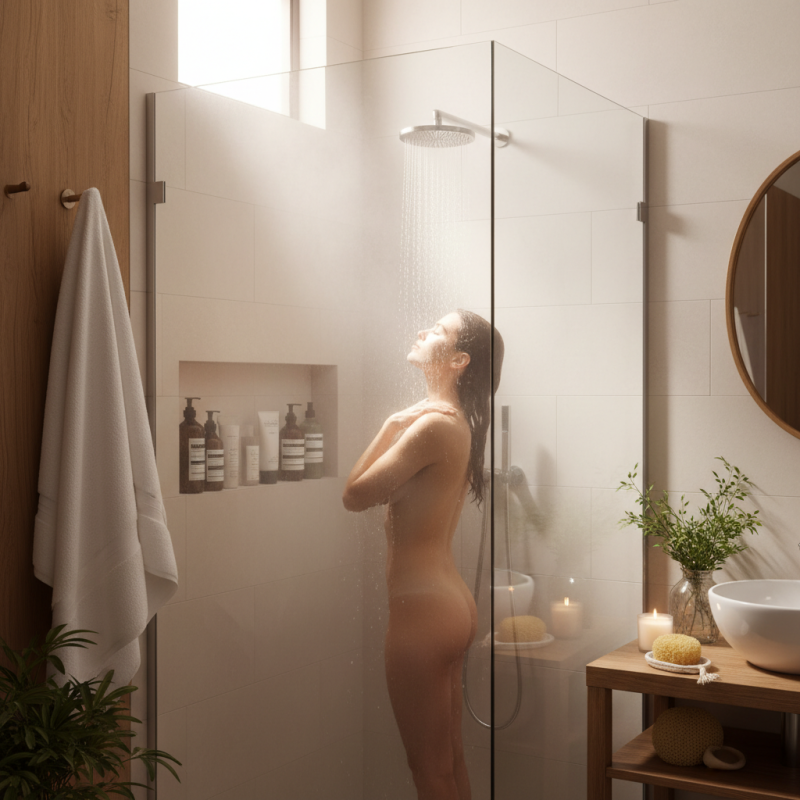
Factors Influencing Shower Duration for Optimal Benefits
When considering shower duration for optimal benefits, several factors come into play. Personal hygiene needs vary greatly. For example, active individuals may require longer showers to effectively wash away sweat and dirt. On the other hand, someone with a less active lifestyle might find a quick rinse sufficient. The key is to adapt your shower length based on your daily activities and skin type.
Water temperature also affects the ideal duration. Hot showers can relax muscles but may dry out the skin if prolonged. Conversely, cooler showers can invigorate without stripping moisture but might not provide the same relaxation effect. Striking a balance is essential. Pay attention to how your skin reacts to different shower lengths and temperatures.
Mental well-being also influences shower routines. A longer shower may serve as a moment of solitude and reflection, helping relieve stress. However, it's crucial not to let this time become excessive, leading to feelings of guilt over lost time. Aim for a routine that is not only effective but also mindful of both physical and mental health.
Recommended Shower Length for Different Skin Types
When considering shower routines, skin type significantly dictates the recommended duration. For oily skin, shorter showers, ideally 5 to 10 minutes, help prevent stripping natural oils. According to dermatologists, prolonged exposure to hot water can exacerbate oil production and lead to issues like acne. The Journal of Dermatology highlights that frequent high-heat showers may disrupt the skin's barrier.
Conversely, those with dry or sensitive skin should engage in longer showers, around 10 to 15 minutes. This allows for adequate moisture absorption. The American Academy of Dermatology suggests using lukewarm water and incorporating hydrating products during these sessions. This practice not only provides a soothing experience but also enhances skin hydration. However, oversaturation can lead to irritation, so it’s crucial to strike a balance.
A common misconception is that longer showers always equate to better skin care. In reality, excessive time in the shower can lead to dryness. Skin experts encourage reevaluating shower habits. Evaluating one’s skin type regularly and adjusting routines accordingly can lead to better results. Keeping a mindful approach can enhance overall skin health.
Health Benefits of Short Versus Long Showers
When considering the health benefits of showers, duration plays a crucial role. A study published in the Journal of Environmental Health found that short showers, lasting around 5 to 10 minutes, can lead to reduced stress and improved heart health. Longer showers, on the other hand, often exceed 15 minutes and may lead to skin drying. Skin hydration decreases significantly after 20 minutes of water exposure, impacting its barrier function.
Scientific reports emphasize the importance of mindful shower routines. Spending time in the shower can enhance your mood and relieve tension. However, the risk of prolonged exposure to hot water might cause overheating, which can reduce hydration and increase fatigue. A balance is essential. Engaging in rejuvenating, shorter showers could provide relaxation without adverse effects on the skin and overall wellness.
Data also indicates that short showers can reduce water consumption. This not only benefits the environment but encourages better water management practices. People often underestimate the cumulative effects of their routines. Awareness of shower length may promote healthier habits and better resource utilization. Sticking to a concise routine might warrant a reevaluation of personal hygiene practices.
Tips for Creating an Effective Shower Routine
A well-crafted shower routine can enhance both hygiene and relaxation. Start by assessing your skin type. If you have dry skin, keep the water lukewarm and limit shower time to around 10 minutes. Overexposure can strip essential oils. For oily skin, a slightly longer shower might help, but avoid hot water, as it can aggravate oiliness.
Incorporate a gentle cleanse. Use a mild body wash, focusing on areas prone to buildup. Don't neglect your scalp; a light massage with shampoo stimulates circulation. It can be tempting to rush through this process, but take your time. Rushing may lead to missed spots and inadequate cleaning.
Moisturizing is crucial. Applying lotion to damp skin helps lock in moisture. Consider dedicating a few moments to self-care with soothing scents or exfoliating once a week. Reflect on your routine; is it truly benefiting you? Adjust as necessary, ensuring your shower is both effective and enjoyable.
Environmental Impact of Shower Duration Choices
Shower duration significantly impacts the environment. Longer showers consume more water, contributing to water scarcity. For example, a ten-minute shower uses around 25 gallons of water. Reducing this time can help conserve vital resources.
Every drop counts in the fight against climate change. Less water usage means lower energy consumption for heating water. It also reduces wastewater production. Small changes can make a big difference. People might find themselves spending more time in the shower, enjoying the warm water. However, it’s essential to reflect on this habit.
Finding a balance is crucial. Aim for shorter, more efficient showers. Set a timer or use an eco-friendly showerhead. These methods can help create a mindful routine. Adopting such strategies not only benefits you but also the environment. Simple adjustments lead to lasting impacts on our planet.
Shower Duration Impact on Water Usage and Carbon Footprint
FAQS
: Active individuals may need longer showers to remove sweat, while less active people may find quicker rinses sufficient.
Hot showers relax muscles but can dry skin. Cooler showers refresh but may not provide relaxation. Balance is key.
Shorter showers of 5 to 10 minutes are best for oily skin to maintain natural oils and prevent acne.
Longer showers of 10 to 15 minutes help dry skin absorb moisture, but oversaturation can lead to irritation.
No, excessive shower time can lead to dryness. It’s important to regularly evaluate and adjust shower habits.
Short showers of 5 to 10 minutes can reduce stress and improve heart health without drying the skin.
Short showers reduce water use, promoting better environmental practices and encouraging healthier hygiene habits.
Longer showers can offer solitude and relieve stress, but excessive time may lead to guilt about time management.
Adapt your routine to daily activities and skin type, focusing on balance for both physical and mental health.
Extended hot showers can lead to overheating and fatigue, which may counteract relaxation benefits.
Conclusion
In exploring the question of "how long should a shower routine be," it becomes clear that multiple factors influence the optimal duration for maximizing benefits. Individual skin types play a crucial role; for instance, those with dry or sensitive skin may benefit from shorter showers, while those with oily skin may require a bit more time. Research highlights various health benefits associated with both short and prolonged showers, including relaxation and improved skin hydration.
To establish an effective shower routine, it’s important to consider personal preferences and skin care needs. Additionally, being mindful of shower duration can help reduce water usage, minimizing environmental impact. Overall, finding the right balance in shower length not only enhances personal well-being but also contributes positively to environmental sustainability.

 Nativis Beauty