Feeling dry after showering is a common concern. A 2021 study by the American Academy of Dermatology found that around 70% of people report this issue. Understanding why does my skin feel dry after showering is essential for maintaining healthy skin. Dr. Emily Chen, a dermatologist, emphasizes, “The right post-shower care can make all the difference in skin hydration.”
Hot water and prolonged exposure can strip natural oils. Additionally, using harsh soaps may worsen dryness. Factors such as humidity levels and skin type play crucial roles too. Many overlook the importance of moisturizing immediately after a shower. The skin loses moisture rapidly, and skipping this step leads to further dryness.
Simple habits could greatly improve this condition. An ideal routine might include lukewarm water and gentle cleansers. Nonetheless, awareness of individual skin responses remains vital. Consider experimenting with various products to find what best suits your needs. Understanding the "why does my skin feel dry after showering" question can lead to healthier skin and greater comfort.
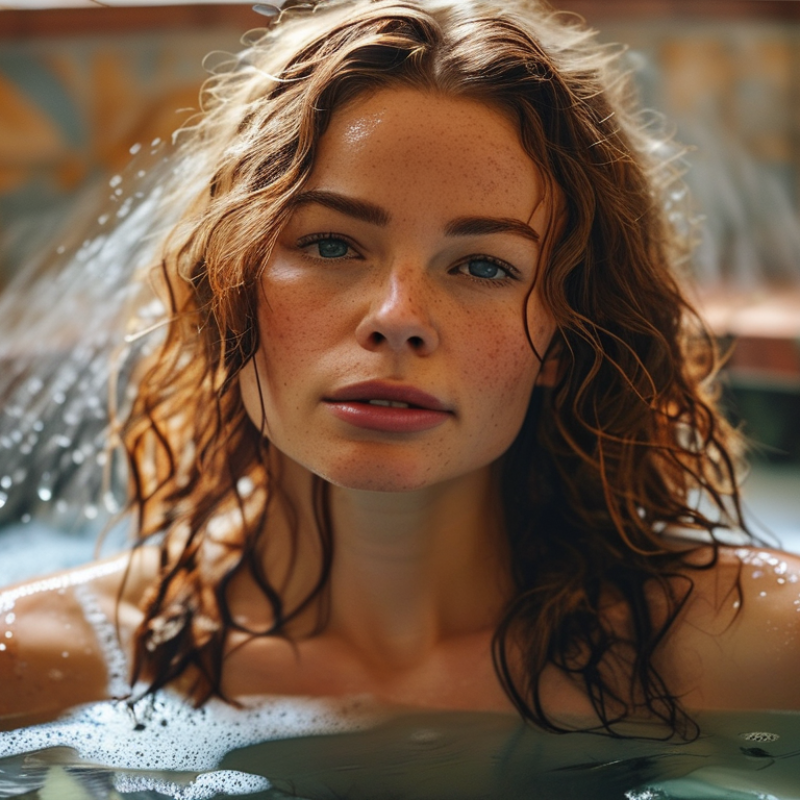
Dry skin after showering can be frustrating. Several common causes contribute to this issue. Hot showers strip natural oils from your skin. The higher the water temperature, the more moisture is lost. Additionally, harsh soaps can disrupt your skin's barrier. Fragrance and alcohol-based products may also dry out your skin further.
Another factor is the environment. Cold, dry air can sap moisture from your skin. Indoor heaters can exacerbate this problem. If you shower frequently, you may notice persistent dryness. Your skin may need time to recover. Drinking enough water is vital for skin hydration.
Consider using a humidifier in your home, especially in winter. This can help maintain moisture levels in the air. After showering, apply a moisturizer while your skin is still damp. This traps hydration effectively. For a quick fix, try natural oils, like coconut or olive oil. They can provide a protective barrier while nourishing the skin. Remember, everyone’s skin is unique. What works for one person may not work for another, so listen to your skin’s needs.
The relationship between water temperature and skin hydration is complex. Hot water can strip the skin of its natural oils, leading to dryness. When you step out of a hot shower, the skin feels tight and uncomfortable. This happens because the heat expands blood vessels and weakens the skin barrier. Your skin's hydration levels drop, making it feel parched.
Maintaining a moderate water temperature can help. Try using lukewarm water instead. It’s gentler on your skin and preserves moisture. This small change can make a significant difference. Embrace shorter showers. They prevent prolonged exposure to water that could lead to dryness.
After showering, consider applying moisturizer immediately. This locks in the dampness from the shower. Look for products that have hydrating ingredients like hyaluronic acid. These can provide an extra layer of moisture. If you notice persistent dryness, reflect on your showering habits. It might be time to adjust your routine for healthier skin.
This chart illustrates the top reasons why skin tends to feel dry after showering, focusing on the impact of water temperature and duration on skin barrier function and hydration.
After showering, many people experience dry skin. One major factor is the choice of soap and body wash. Traditional soaps often contain harsh surfactants. These ingredients can strip away natural oils, leading to skin dryness. Additionally, fragrances and certain preservatives can irritate the skin barrier.
When selecting body wash, consider gentler alternatives. Look for products labeled as "moisturizing." These typically contain hydrating ingredients like glycerin and aloe. Natural oils like coconut or jojoba can also help retain moisture. Always check the ingredient list to ensure you're making the right choice.
Hydration doesn't stop at the shower. Apply a good moisturizer while your skin is still damp. This practice locks in moisture effectively. Avoid long, hot showers, as they can exacerbate dryness. Shorter, lukewarm showers are gentler on your skin and help maintain its moisture balance. Consider using a humidifier in your home, especially during dry seasons.
Showering is a daily ritual for many, but the duration and temperature can impact skin hydration. Prolonged exposure to hot water can strip the skin of its natural oils. As a result, your skin may feel tight and dry after showering. Consider the physiological effects of steam. While it can open pores, it may also contribute to moisture loss when not followed by proper hydration.
Keeping showers short is beneficial. Aim for 5 to 10 minutes and avoid very hot water. Test a comfortable temperature that feels soothing but not scalding. After showering, gently pat your skin dry with a towel. This will help retain some moisture, preventing a parched feeling. Afterward, apply a rich moisturizer to lock in hydration. Look for products that contain ingredients like hyaluronic acid or ceramides for optimal results.
Reflect on your shower habits. Are you spending too much time under the spray? Evaluate how your skin reacts to different shower lengths. If dryness persists, you may need to adjust your routine further. Remember, the quest for hydrated skin starts with small changes in daily habits.
After a warm shower, many people notice their skin feels tight and dry. This sensation often stems from various environmental factors. Dry air, particularly during winter, pulls moisture from the skin. Homes or buildings with central heating tend to have lower humidity levels. This lack of moisture can lead to uncomfortable dryness after bathing.
Water temperature plays a significant role too. Hot showers strip away natural oils. These oils normally protect your skin barrier. If the air is dry, the problem intensifies. Overwashing with harsh soaps can exacerbate the issue, further dehydrating the skin.
Moreover, exposure to chlorinated water can also lead to dryness. While it keeps pools safe, chlorine can irritate and dry out skin. Sun exposure post-shower can worsen dryness too. UV rays can break down the skin’s moisture barrier. Recognizing these factors is vital in addressing post-shower dryness.
Taking small steps like using a humidifier or applying moisturizer can help retain skin hydration effectively.
: Hot water strips natural oils, leading to dryness. It makes skin feel tight and uncomfortable.
Lukewarm water is gentler. It helps preserve skin moisture and prevents dryness.
Keep showers between 5 to 10 minutes. Shorter showers help maintain skin hydration.
Apply moisturizer right after showering. This locks in moisture from the wet skin.
Choose products with hydrating ingredients. Hyaluronic acid and ceramides are effective choices.
Dry air, especially in winter, pulls moisture from skin. Central heating reduces humidity too.
Yes, overwashing and long hot showers can strip skin and worsen dryness. Evaluate your routine.
Chlorine can irritate and dry out the skin, especially after a shower.
Sun exposure can break down the skin's moisture barrier, causing further dryness.
Yes, spending too much time under hot water can lead to dryness. Adjust as needed.
Experiencing dry skin after showering is a common concern, leading many to wonder, "why does my skin feel dry after showering?" Several factors can contribute to this condition. Firstly, the temperature of the water plays a crucial role; hot water can strip the skin of its natural oils, damaging the skin barrier and leading to increased dryness. Additionally, the ingredients found in soaps and body washes may not help in retaining skin moisture, further exacerbating the issue.
Moreover, the duration of the shower can also impact skin hydration levels; prolonged exposure to water can diminish the skin's ability to retain moisture. Environmental factors, such as low humidity and cold weather, can worsen post-shower dryness, making it essential to consider these elements when evaluating skin health. Understanding these causes can help individuals take the necessary steps to maintain skin hydration and comfort after bathing.

Nativis Beauty