The Benefits of Propolis Skincare Products in China Best Practices?

Time:2026-03-20 Author:Charlotte
0%

In recent years, the rise of Propolis Skincare Products in China has caught the attention of both consumers and experts. Dr. Lily Zhang, a renowned dermatologist, emphasizes, "Propolis is a natural wonder that enhances skin health." This statement reflects the growing interest in natural skincare solutions, especially those like propolis that boast a variety of benefits.

Propolis, a resinous substance made by bees, is rich in antioxidants and anti-inflammatory properties. These elements help soothe skin irritation and combat signs of aging. Many users report improvements in their skin texture and overall appearance. However, the market is still developing, and some consumers remain skeptical about its effectiveness. A closer look into ingredients and product quality is essential.

Despite the benefits, challenges exist in promoting Propolis Skincare Products. Awareness about their advantages is limited. Consumers often gravitate towards more familiar options. Educating the public can increase demand. The balance between quality, price, and market visibility remains a critical reflection point for brands entering this niche.
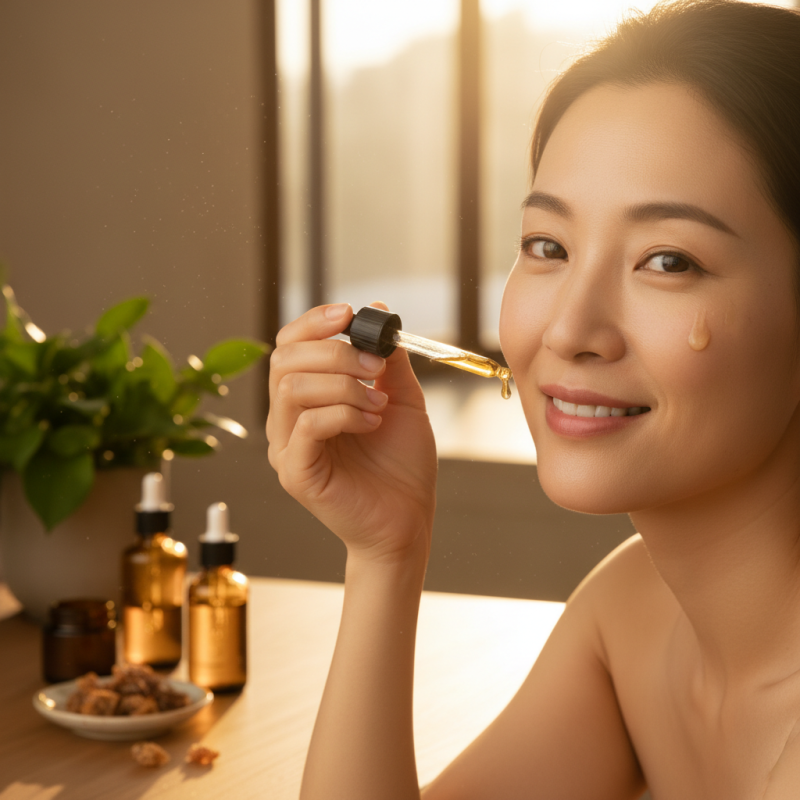
The Benefits of Propolis Skincare Products in China Best Practices?

The Origin and Composition of Propolis in Skincare Products

Propolis is a natural substance produced by bees. It consists of resins, wax, and essential oils. Rich in antioxidants, propolis has become popular in skincare. Its origins trace back to the natural world, where bees collect plant resins. These resins are combined with beeswax and other compounds, creating a potent ingredient.

In skincare products, propolis offers numerous benefits. It nourishes the skin and reduces inflammation. Many users report a noticeable improvement in skin texture. Additionally, propolis has antibacterial properties. This helps to combat acne and other skin issues. The texture of propolis can be quite sticky, which might require some adjustment in application.

While propolis has many advantages, it is also essential to proceed with caution. Some people may experience allergic reactions. Conducting patch tests is advisable before full application. The quality of propolis can vary based on its source. Understanding its composition is crucial for effective use in skincare. This awareness can help consumers make informed choices.

The Benefits of Propolis Skincare Products in China Best Practices

Benefit Description Key Ingredients Usage Guidelines
Antioxidant Properties Propolis is rich in flavonoids, which help neutralize free radicals. Flavonoids, Phenolic acids Apply serum twice daily for best results.
Anti-Inflammatory Helps reduce redness and soothed irritated skin. Propolis extract, Essential oils Use in conjunction with moisturizer for enhanced effects.
Antibacterial Propolis inhibits the growth of bacteria, promoting healthy skin flora. B e r n e t A c i d, Cytokines Use before applying makeup for a protective barrier.
Moisturizing Locks in moisture and maintains skin hydration. Glycerin, Beeswax Apply on damp skin for optimal absorption.
Skin Regeneration Aids in the healing process of skin cells. Vitamins, Amino Acids Best used as a night treatment.

The Unique Benefits of Propolis for Skincare Applications

Propolis is gaining attention in the skincare industry for its unique benefits. This resinous substance, produced by bees, has shown promising effects on skin health. A study published in the "Journal of Ethnopharmacology" highlighted its anti-inflammatory properties, which can help calm irritated skin. Furthermore, research indicates that propolis can enhance the skin's healing process, making it a valuable ingredient in skincare formulations.


In China, the popularity of propolis skincare products reflects a growing trend. Recent market reports suggest that natural ingredients are preferred by over 70% of consumers. They seek products that not only nourish but also protect the skin. The antioxidative properties of propolis make it effective against free radicals, which can accelerate aging. This is important for a demographic increasingly concerned about skincare longevity.


However, it’s essential to acknowledge challenges. Some users may have sensitivities to bee products. Testing small amounts is advisable to prevent adverse reactions. Additionally, sourcing high-quality propolis is crucial. Variability in composition can affect product efficacy. Not all propolis is created equal. This inconsistency can lead to skepticism among consumers. Hence, educating the market on quality and benefits is vital for broader acceptance.

Best Practices for Using Propolis in Skincare Routines

Propolis is gaining traction in skincare routines. This natural resin, produced by bees, offers hydration and healing properties. Incorporating propolis into your daily regimen can be beneficial.

Start by identifying your skin type. Not everyone reacts the same way to propolis. Conduct a patch test first. Apply a small amount to your wrist and wait 24 hours. Watch for any reactions. If your skin responds well, integrate it into your routine gradually.

Consider using a propolis serum. It’s lightweight and absorbs quickly. Apply it after cleansing. Follow up with a moisturizer to lock in moisture. However, not every product will work for everyone. It's crucial to observe how your skin feels. Adjust the frequency based on your skin's needs. Some may find daily use too intense. Adaptability is key to achieving the best results.

Consumer Trends and Preferences for Propolis Skincare in China

In recent years, the demand for propolis skincare products in China has surged. According to a report from Market Research Future, the Chinese skincare market is expected to grow by 7% annually, with propolis products capturing a notable share. Consumers are increasingly drawn to natural ingredients, reflecting a shift towards holistic beauty solutions. Propolis, known for its anti-inflammatory and antibacterial properties, is at the forefront of this trend.

Among younger consumers, particularly millennials, the preference for propolis skincare is rising. A survey conducted by Statista shows that over 40% of consumers aged 18-34 prefer products with organic certifications. They seek transparency in ingredients and sustainable sourcing. Trendy social media platforms amplify these preferences. Users share testimonials and tips, influencing purchasing decisions.

Tips: Look for products with clear labeling. Check for third-party certifications to ensure quality. It’s essential to recognize that not all propolis is equal; some may not have active components. Exploring local or small-scale producers can yield richer options. Embrace a variety of products to find what suits your skin best.

Regulatory Considerations for Propolis Skincare Products in China

Regulatory considerations for propolis skincare products in China are crucial for successful market entry. Companies must navigate a complex landscape. Each ingredient needs thorough documentation. Propolis, derived from bees, has unique properties that require careful scrutiny by regulators.

Before launching, be aware of local regulations. Brands should ensure compliance with the National Medical Products Administration (NMPA). This includes safety assessments and efficacy trials. Regulatory hurdles can be daunting. Preparing detailed dossiers can delay product launches. Testing in certified labs is essential.

Tips: Always source propolis from reputable suppliers. Quality is vital for safety and efficacy. Regularly review regulatory updates. Laws can change, impacting formulations. Engage with local experts. Their insights can smooth compliance challenges.

Packaging must also meet regulatory standards. Labeling should be clear and informative. Claims need to be substantiated. Misleading information can result in penalties. Regular audits of documentation are advisable. These steps help maintain product integrity and consumer trust.

FAQS

: What are the benefits of propolis for skincare?

: Propolis has anti-inflammatory properties and enhances skin healing. It helps calm irritated skin effectively.

How popular is propolis in the skincare market?

Propolis is increasingly popular in skincare, especially in China. Over 70% of consumers prefer natural ingredients.

Are there any sensitivities to propolis?

Yes, some individuals may be sensitive to bee products. It's important to test small amounts before use.

How can propolis combat aging?

Propolis has antioxidative properties that fight free radicals. This helps slow down the aging process of the skin.

What regulatory considerations exist for propolis skincare in China?

Companies must comply with the National Medical Products Administration. This includes thorough documentation and safety assessments.

Why is sourcing quality propolis important?

The effectiveness of propolis can vary based on its quality. Inconsistent quality can lead to consumer skepticism.

What should companies consider regarding product packaging?

Packaging must adhere to regulatory standards. Clear labeling and substantiated claims are essential to avoid penalties.

How can companies navigate regulatory challenges?

Engaging with local experts can provide valuable insights. Regularly reviewing regulatory updates also helps maintain compliance.

What is a common mistake in propolis skincare products?

Misleading information on labels can erode consumer trust. Documentation audits are necessary to maintain integrity.

Is propolis suitable for everyone?

Not necessarily. Some may have allergies or sensitivities. Always perform a patch test before using propolis products.

Conclusion

Propolis skincare products have gained popularity in China due to their unique origin and rich composition derived from plant resins collected by bees. These products are known for their beneficial properties, including anti-inflammatory, antimicrobial, and antioxidant effects, which make them ideal for various skin concerns. The distinctive benefits of propolis in skincare applications have led to a growing consumer interest, prompting individuals to incorporate these products into their daily routines.

To maximize the effectiveness of propolis skincare products, it is essential to follow best practices, such as patch testing and integrating them thoughtfully into existing skincare regimens. Additionally, understanding consumer trends and preferences in China can provide valuable insights into the evolving market landscape. However, it remains crucial to consider the regulatory framework governing the use of propolis in skincare products to ensure compliance and safety for consumers.

Charlotte

Charlotte

Charlotte is a seasoned marketing professional with a deep understanding of the company's portfolio and a passion for elevating its presence in the market. With a keen eye for detail and a commitment to excellence, she ensures that our professional blog is regularly updated with insightful articles......