In today's fast-paced beauty industry, understanding "what are the latest beauty routine trends" is essential for staying ahead. According to a 2023 report from the Global Beauty Institute, 75% of consumers now prioritize personalized skincare solutions. This indicates a significant shift towards tailor-made products that cater to individual needs. Expert dermatologist Dr. Jane M. Lewis emphasizes, “The future of beauty routines lies in customization and sustainability.”
Moreover, trends such as clean beauty and minimalist regimens are gaining traction. Many consumers are opting for fewer products that deliver results. A study by Beauty Insights revealed that 65% of respondents prefer multi-functional products. However, with so many choices, finding the right routine can feel overwhelming. Consumers often face challenges in discerning effective products from marketing hype.
As the beauty landscape evolves, it is vital to remain informed. While many trends promise incredible results, it is essential to approach them with a critical eye. Are these products truly beneficial, or simply a fleeting fad? The beauty of a routine lies in personal discovery and adaptation.
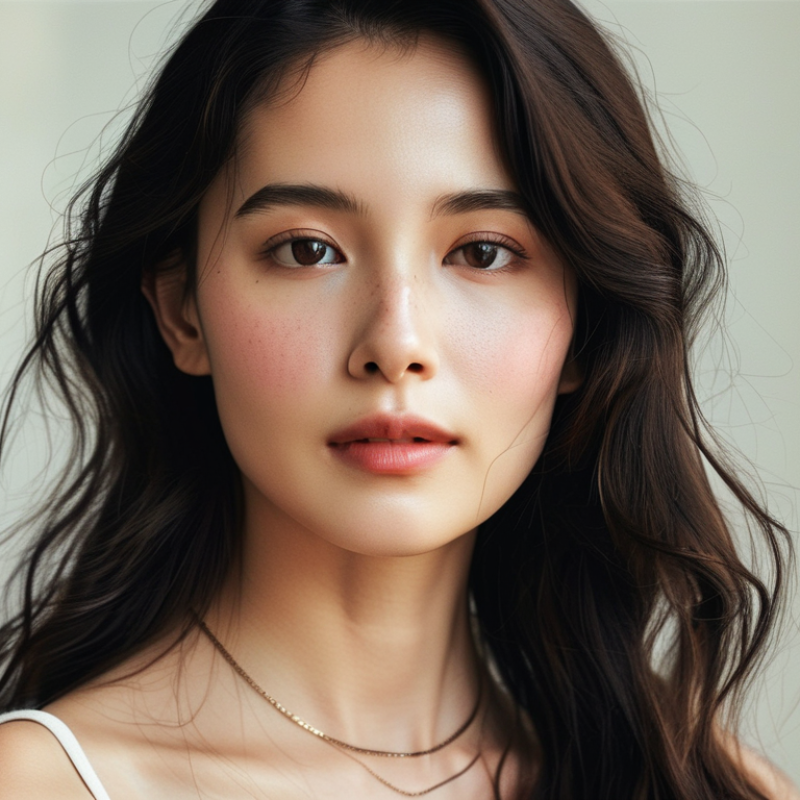
In recent months, skincare trends have seen a surge in innovative ingredients. One standout is niacinamide, hailed for its brightening effects and ability to improve skin texture. Users report a more even complexion and reduced acne scars. However, some individuals may experience irritation, especially those with sensitive skin. Patch testing remains essential.
Another emerging ingredient is bakuchiol, often touted as a natural alternative to retinol. This plant-derived compound offers anti-aging benefits without the dryness common to traditional retinol. Many users appreciate its gentler profile, yet results can vary. Some may find it helps with fine lines, while others notice minimal changes.
Finally, peptides are gaining traction for their ability to boost collagen production. They are becoming integral in many formulations, promising firmer skin and reduced wrinkles. Nonetheless, the effectiveness of peptides depends on their concentration and formulation. Not everyone will see the same results in their routines, leading to questions about their overall potency. Staying informed and curious about these ingredients can lead to a more personalized beauty regimen.
Sustainable and eco-friendly products are shaping the beauty industry. Recent data from a leading market research firm indicates that the demand for green beauty products has increased by 29% over the past year. Consumers are more aware of their choices. This shift towards sustainability highlights a significant change in beauty routines.
A survey reveals that 72% of consumers prefer products made from natural ingredients. The push for sustainable packaging is also evident. In fact, 50% of beauty brands now use recyclable or biodegradable materials. However, the industry faces challenges. Not all brands maintain transparency about their sourcing and production practices. Consumers are cautious, seeking information to make informed choices.
There is a growing recognition that luxury and sustainability can coexist. The idea that eco-friendly products underperform is being challenged. Improved formulations are proving effective, attracting a new audience. Interestingly, while the movement is strong, there are still gaps. Some consumers feel overwhelmed by the choices available. They desire clear guidelines to navigate sustainable options in beauty.
This bar chart illustrates the latest trends in beauty routines, showcasing the popularity of various aspects such as sustainable products and cruelty-free options. Each bar represents its popularity score out of 100, highlighting the growing demand for eco-friendly and inclusive beauty choices.
In recent years, personalized beauty routines have gained significant traction. A report by McKinsey & Company indicates that 40% of consumers prefer skincare solutions tailored to their unique needs. This shift reflects a broader trend towards customization in the beauty industry. People are increasingly aware that one-size-fits-all approaches often miss the mark. Skin types, environmental factors, and personal preferences vary widely.
Using personalized solutions can enhance the effectiveness of your skincare routine. Data from Statista shows that 30% of consumers feel overwhelmed by the multitude of options available. To help navigate this landscape, focus on identifying your skin's specific needs. For instance, consider the impact of climate on your skin condition. Humidity can increase oiliness, while dry air may exacerbate dryness. Adapt your products to these conditions.
Tip: Regularly assess your skin’s response to products. What works today might not be effective in a few months.
The rise of technology has also facilitated the shift toward personalization. Tools like skin analysis apps enable individuals to receive tailored advice based on their unique profiles. However, it’s essential to approach these solutions critically. Not every recommendation will suit your skin.
Tip: Experiment with different products, but introduce them one at a time. This method can help identify what truly works for you.
Innovative technology is reshaping the beauty industry.
According to recent research, the global beauty tech market is expected to grow by 30% annually through 2028.
Advanced tools are streamlining beauty application techniques for consumers and professionals alike.
One significant trend is the rise of AI-driven beauty apps.
These apps analyze skin types and recommend personalized routines.
A report from a leading industry analyst indicates that about 25% of consumers rely on such tools.
This shift highlights a growing preference for tailored solutions over generic products.
However, not all algorithms are accurate. Sometimes the recommendations miss the mark.
Devices like LED masks and smart mirrors are gaining popularity.
They bring spa-like treatments home. However, the technology can be overwhelming.
Many users struggle with setup and usability. For instance, 15% of users reported not fully understanding the instructions.
This indicates a gap in user experience that needs addressing.
As beauty tech evolves, brands must prioritize clarity alongside innovation.
The intersection of mental wellness and beauty routines is gaining traction. Recent surveys show that over 70% of consumers believe self-care significantly impacts their overall well-being. As beauty enthusiasts embrace holistic approaches, the focus shifts from mere aesthetics to emotional health.
Integrating mindfulness into daily beauty rituals can enhance self-love. For instance, dedicating time for a skincare routine while practicing gratitude can improve mood. Some people are even incorporating meditation before applying products. Simple practices like deep breathing while cleansing your face can elevate the experience.
Tips: Try creating a calming environment. Light a candle or play soothing music. Also, consider journaling about your beauty journey. This helps you connect deeper with your routine. Regularly assessing your emotional responses to beauty practices can foster a more mindful approach.
| Trend | Description | Benefits | Integration with Self-Care |
|---|---|---|---|
| Clean Beauty | Focus on products with natural ingredients and free from harmful chemicals. | Safer for skin and environment, reduces allergies. | Promotes mindfulness in product choice. |
| Skin Cycling | A routine of alternating active ingredients to minimize irritation. | Enhances skin resilience while achieving results. | Encourages regular assessment of skin needs. |
| Holistic Treatments | Integrating mental wellness practices like meditation with beauty routines. | Improves both mental and physical well-being. | Allows for relaxation and stress relief. |
| Personalized Skincare | Customized skincare based on individual skin type and concerns. | More effective and targeted treatments. | Fosters self-awareness and care. |
| Sustainable Packaging | Using eco-friendly packaging materials for beauty products. | Reduces carbon footprint and plastic waste. | Promotes a more conscious approach to consumption. |
| Minimalist Routines | Focusing on fewer, multifunctional products. | Saves time and reduces clutter. | Encourages mindfulness and efficient self-care. |
| Tech-Driven Beauty | Using technology like apps and devices for skincare analysis and application. | Provides personalized insights and recommendations. | Integrates wellness monitoring into beauty routines. |
| Microbiome-Friendly Products | Skincare that supports the skin's natural microbiome. | Promotes balance and overall skin health. | Supports the body's natural defenses. |
| Wellness-Infused Makeup | Cosmetics that include beneficial ingredients like vitamins and antioxidants. | Enhances skin health while providing coverage. | Encourages a positive self-image and confidence. |
| Mindful Consumption | Being aware of the impact of beauty products on health and the planet. | Promotes a healthier lifestyle and sustainable choices. | Encourages reflection and intentionality in beauty practices. |
: The demand for sustainable beauty products has increased by 29% over the past year.
About 72% of consumers prefer products made from natural ingredients.
Currently, 50% of beauty brands use recyclable or biodegradable materials.
Transparency about sourcing and production practices is often lacking among brands.
Yes, innovative technology is reshaping beauty applications, with a market growth of 30% expected.
AI-driven beauty apps analyze skin types and recommend personalized routines for users.
Many users struggle with setup and usability, with 15% reporting confusion about instructions.
Integrating mindfulness can improve emotional health and enhance self-love during beauty rituals.
Practicing gratitude while following skincare routines can significantly improve mood.
Many consumers desire clear guidelines to navigate the plethora of sustainable beauty options.
As the beauty industry continues to evolve, it is essential to explore what are the latest beauty routine trends shaping our skincare practices. Among these trends, emerging skincare ingredients are playing a pivotal role, introducing innovative components that enhance the efficacy of beauty regimens. Additionally, there is a growing emphasis on sustainable and eco-friendly products, reflecting consumers' desire for environmentally conscious choices.
Furthermore, the rise of personalized beauty routines offers tailored solutions that address individual skincare needs, ensuring optimal results. Innovative tech tools are also revolutionizing how beauty products are applied, making routines more efficient and effective. Lastly, the integration of mental wellness and self-care practices into beauty rituals highlights the importance of holistic approaches to beauty, fostering not just physical but also emotional well-being. These trends signal a dynamic shift in how individuals approach beauty in their daily lives.

Nativis Beauty