How to Create a Relaxing Bath Experience in 2026?

Time:2026-09-20 Author:Liam
0%

A relaxing bath can be more than warm water and pleasant fragrance. It can become a quiet transition between a demanding day and deeper rest. But what makes a relaxing bath experience depends on comfort, safety, personal habits, and the body’s response to heat.

Dermatologist Dr. Joshua Zeichner has warned, “The hotter the water, the more it can strip the skin of essential oils.” That advice matters. A comfortably warm temperature, soft lighting, and ten to twenty unhurried minutes may support relaxation without leaving skin tight or irritated. Add a clean towel, a supportive bath pillow, and water within easy reach. Small details help.

The room should feel calm, not staged. Dim a bright overhead light. Silence unnecessary notifications. Choose a gentle, familiar scent rather than an overpowering one. Essential oils also require caution, especially for sensitive skin, children, or people with allergies. Never treat a bath as medical treatment.

A relaxing bath is not guaranteed. Sometimes the water cools too quickly, or the mind keeps replaying unfinished work. That is normal. The goal is not perfect serenity. It is a modest pause that feels physically safe and emotionally believable.

This guide explores practical ways to build that pause in 2026. It considers temperature, timing, bath products, sound, lighting, and post-bath routines. Each suggestion is useful, but none suits everyone. Your skin, schedule, and comfort should shape the final experience.
How to Create a Relaxing Bath Experience in 2026?

Set Up a Calm and Comfortable Bathroom

How to Create a Relaxing Bath Experience in 2026?

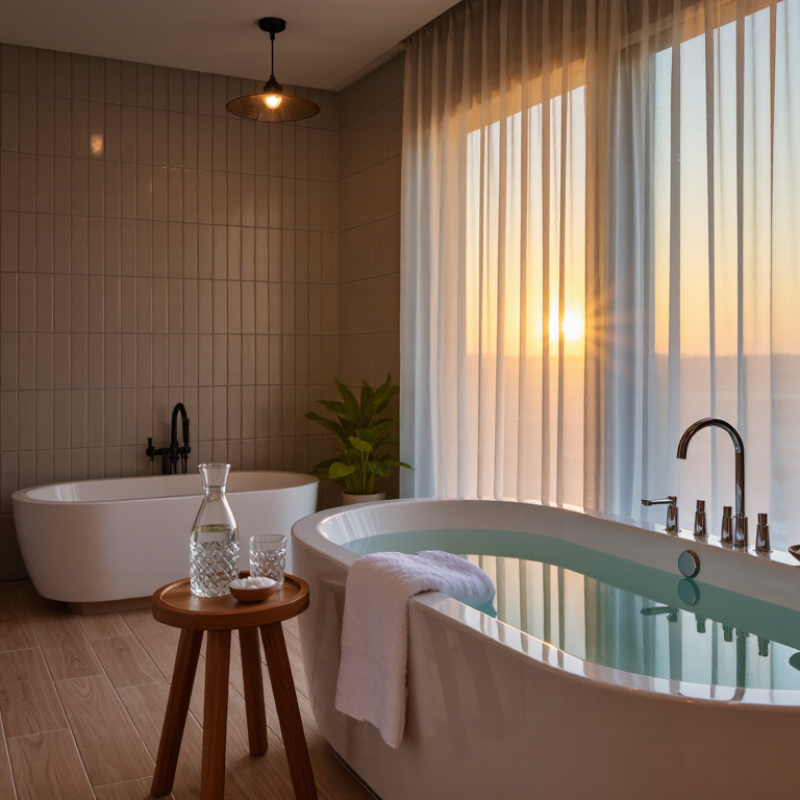
A calm bathroom begins with comfort, not expensive decoration. Keep the floor clear, and place a washable mat beside the tub. Warm, layered lighting feels gentler than one bright ceiling lamp. Use a dimmable fixture rated for damp locations, and keep electrical devices away from water. A small wooden stool can hold a towel, book, or cup of herbal tea. Natural textures, soft neutral colors, and quiet ventilation reduce visual and physical stress.

The Global Wellness Institute’s 2024 Wellness Economy Monitor valued the global wellness economy at 6.3 trillion dollars in 2023. This growth reflects stronger interest in everyday recovery spaces, including the bathroom. However, relaxation should not create waste. EPA WaterSense data show that certified showerheads use no more than 2.0 gallons per minute, compared with the federal 2.5-gallon standard. A water-saving fixture can still feel generous when pressure, temperature, and spray direction are adjusted carefully. I sometimes make the room too decorative, then remove half of it. The space feels better.

Tips: Set the room temperature before bathing. Fold one towel within reach. Add a non-slip mat, especially near the tub. Avoid strong fragrances if anyone has sensitive skin or breathing concerns. Test water with your hand, and never leave candles unattended. A ten-minute reset can be enough. Keep a quiet timer nearby, because comfort can make time disappear.

How to Create a Relaxing Bath Experience in 2026? - Set Up a Calm and Comfortable Bathroom

Practical bathroom targets for comfort, relaxation, safety, and efficient preparation

Bathroom Element Recommended Target Relaxation Benefit Simple Setup Safety Consideration
Bathwater temperature Approximately 37–40°C (98.6–104°F) Warm water can help the body feel more comfortable and reduce the sensation of muscle tension. Use a bath thermometer or test the water with the inner wrist before entering. Avoid very hot water. People who are pregnant, older, or have heart or circulation conditions should seek medical advice about bathing temperature.
Bath duration About 10–20 minutes Provides enough time to unwind without making the skin excessively dry or increasing the risk of overheating. Set a quiet timer so the experience remains relaxing and predictable. Leave the bath if you feel dizzy, weak, nauseated, or unusually hot.
Bathroom temperature Approximately 20–24°C (68–75°F) A moderate room temperature reduces the discomfort of entering or leaving warm water. Close drafts before bathing and keep a dry towel within easy reach. Do not overheat a small, poorly ventilated bathroom.
Humidity and ventilation Keep indoor relative humidity near 40–60% after bathing Balanced ventilation helps prevent a stuffy atmosphere, condensation, and persistent dampness. Run the exhaust fan during bathing and for at least 20–30 minutes afterward, or open a window when appropriate. Avoid creating strong cold drafts while bathing; keep electrical items away from water.
Lighting Soft, glare-free light; approximately 100–200 lux for ambient lighting Lower, warmer light can create a calmer visual environment than bright overhead lighting. Use a dimmable, warm-white light and retain enough illumination to see the floor clearly. Do not use open flames near towels, curtains, or toiletries.
Noise level Keep background sound around 30–40 dBA when possible A quieter environment makes it easier to focus on breathing and relaxation. Silence phone notifications and choose low-volume ambient music or natural sounds. Keep phones and speakers on a dry, stable surface away from the tub.
Bath depth and posture Water should remain below the chest when seated A supported posture helps reduce physical strain while keeping the head and upper chest comfortably above water. Use a non-slip bath mat and a supportive bath pillow if the tub design allows it. Never leave children or dependent adults unattended in a bath.
Skin care Use lukewarm water and fragrance-free products for sensitive skin Gentler products can reduce the chance of irritation and excessive dryness. Pat skin dry instead of rubbing, then apply moisturizer while the skin is slightly damp. Stop using any product that causes burning, rash, or persistent itching.
Pre-bath preparation Prepare towels, water, toiletries, and clean clothing before filling the tub Having essentials nearby reduces interruptions and makes the routine feel more organized. Place items within reach but outside the splash zone. Keep the floor dry and remove clutter that could cause trips.
Post-bath recovery Drink water and cool down gradually for 10–15 minutes A calm transition helps prevent discomfort after exposure to warm water. Dry off thoroughly, moisturize if needed, and sit briefly before resuming activities. Stand up slowly, especially after a long or warm bath, to reduce the chance of light-headedness.

Note: The figures above are practical comfort targets rather than strict medical requirements. Individual tolerance, health conditions, bathroom size, and local safety guidance should always be considered.

Choose Water Temperature, Bath Products, and Soothing Scents

How to Create a Relaxing Bath Experience in 2026?

A relaxing bath begins with controlled water temperature, not excessive heat. Test the water with your wrist before stepping in. Aim for a comfortably warm bath, around 37–40°C. Water that feels slightly warm can still become tiring after several minutes. Not hotter. Limit your soak to 10–20 minutes, especially if you feel dizzy or unusually flushed. I sometimes lose track of time while reading, so a quiet timer helps me leave the tub safely.

Choose bath products according to your skin’s needs. A gentle, fragrance-free cleanser may suit dry or sensitive skin better than a heavily scented formula. Use a small amount of bath soak, and rinse your skin afterward if it feels tight. Avoid rough scrubs when your skin is irritated.

Keep the tub clean, because leftover oils and residue can cause slippery surfaces. A non-slip mat is a simple improvement I used to overlook.

Soothing scents can shape the room without overpowering it. Lavender, chamomile, or a mild citrus note may create a calmer atmosphere for some people. Personal preference matters.

Use properly formulated bath products, since concentrated oils do not mix safely with water by themselves. Never apply undiluted essential oil directly to your skin. Ventilate the room and stop using any scent that causes itching, headache, or breathing discomfort.

My first bath routine used too many aromas, and the result felt busy rather than peaceful. Less worked better.

Create a Relaxing Atmosphere with Light, Sound, and Warmth

How to Create a Relaxing Bath Experience in 2026?

A relaxing bath begins with the atmosphere, not expensive products. I have found that gentle, layered lighting works better than one bright ceiling light. Use a dim lamp or a battery-powered light near the wall. Keep it away from water. Warm amber tones can make the room feel calmer, while a small light near the floor adds depth.

Sound also changes the experience. Choose quiet instrumental music, rainfall, or soft natural sounds. Keep the volume low enough to hear the water clearly. That small detail helps the bath feel less artificial. My first setup was too silent, and every pipe noise became distracting. A soft background track solved part of the problem, though not perfectly.

Tips: Test the water with your wrist before entering. A comfortable bath is usually warm, not painfully hot. Around 37–40°C suits many adults, but personal comfort differs. Place a dry towel within reach, and warm the bathroom slightly beforehand. A cotton robe waiting nearby feels surprisingly useful. Avoid filling the room with heavy fragrance, especially if you have sensitive skin. Leave the door slightly open if the room becomes steamy. I sometimes forget this and leave feeling overheated. Small adjustments matter more than creating a flawless ritual.

How to Create a Relaxing Bath Experience in 2026?

Create a relaxing atmosphere with light, sound, and warmth using practical evidence-based reference points.

Reference values: dim evening light is commonly kept below 30 lux, indoor nighttime noise is recommended below 30 dB(A) by the World Health Organization, and sleep research has examined warm baths at approximately 40–42.5°C for at least 10 minutes. These are reference points, not medical requirements.

Practice Mindful Relaxation During Your Bath

How to Create a Relaxing Bath Experience in 2026?

Practice Mindful Relaxation During Your Bath

A mindful bath begins before the water runs. The American Psychological Association’s 2023 Stress in America survey found that 27% of adults felt stress was so overwhelming that they struggled to function. Use the bath as a short sensory reset, not another task to complete. Dim the light. Silence notifications. Notice the water touching your shoulders. Feel your feet resting on the tub floor.

Keep the water comfortably warm, never painfully hot. A simple thermometer can help, especially for older adults or people with reduced heat sensitivity. The National Center for Complementary and Integrative Health reports that mindfulness practices may help reduce stress and anxiety, though results differ between individuals. Breathe slowly for four counts, then exhale for six. Follow the movement of your breath. If your mind wanders, gently return to it.

Add small details with purpose. Place a soft towel nearby. Use a plain cup of water. Listen to the tap, the room, or complete silence. The Global Wellness Institute reported that the global wellness economy reached $6.3 trillion in 2023, showing how strongly people value everyday wellbeing. Still, wellness should not become performance. I sometimes check the time too often. That defeats the pause. Leave the bath if you feel dizzy, overly warm, or unwell, and never treat relaxation as medical care.

Finish Safely and Preserve the Relaxing Benefits

A relaxing bath should end as carefully as it begins. I once stood up too quickly after a long, hot soak and felt light-headed. Now, I drain some water before moving and sit on the tub’s edge for a moment. Check the floor first. A dry, nonslip mat can reduce slipping, while a stable grab bar offers better support than a towel rack. Keep the water warm, not painfully hot, and avoid staying in until your skin feels weak or unusually flushed. People with heart conditions, diabetes, mobility concerns, or pregnancy should ask a qualified healthcare professional about suitable bathing temperatures and duration.

Leave the bathroom slowly, with a robe or towel within reach. Drink a glass of water, especially after sweating in warm water. Then keep the room quiet for a few minutes. Soft lighting, slow breathing, and dry, comfortable clothing can help preserve the calm feeling. Moisturize if your skin feels tight, but choose a simple, fragrance-free product when irritation is a concern. Never treat drowsiness as proof of deeper relaxation. It may be a warning sign. Do not sleep in the bath, and keep electrical devices away from splashing water. I still sometimes rush the final minutes. That is the part I need to improve. A safe ending protects the peaceful benefits instead of replacing them with dizziness, chills, or a hurried recovery.

FAQS

How can I create a calming bath atmosphere?

Use gentle, layered lighting instead of one bright ceiling light. A dim amber lamp can soften the room. Keep every light safely away from water. A small floor light adds depth. Keep it simple.

What sounds work well during a relaxing bath?

Try quiet instrumental music, rainfall, or soft natural sounds. Keep the volume low enough to hear the water. Pipe noises may still interrupt you. That is normal, not a failure.

How warm should bath water be?

Warm water around 37–40°C suits many adults. Test it with your wrist before entering. Personal comfort differs. Avoid painfully hot water, especially with reduced heat sensitivity.

What should I prepare before getting into the bath?

Place a dry towel within easy reach. A cotton robe nearby can feel wonderfully practical. Keep a plain cup of water beside the tub. Preparation prevents awkward, slippery moments.

How can mindfulness improve a bath?

Silence notifications before the water runs. Notice the water touching your shoulders. Feel your feet resting on the tub floor. Breathe in for four counts, then exhale for six. Your attention may wander. Gently return to your breathing.

Should I use fragrance during a relaxing bath?

Use fragrance lightly, or skip it completely. Heavy scents may bother sensitive skin or noses. A clean, warm room can feel relaxing without added fragrance. More scent is not always better.

How can I prevent the bathroom from becoming too steamy?

Leave the door slightly open when the room feels overheated. Warm the bathroom gently before bathing. Avoid making the space excessively hot. I sometimes forget this and regret it later.

When should I leave the bath?

Leave immediately if you feel dizzy, overly warm, weak, or unwell. Cool down and drink some water. Never treat a relaxing bath as medical care. Comfort matters more than completing a ritual.

Conclusion

Creating a relaxing bath experience in 2026 begins with preparing a calm, comfortable bathroom. Clear away distractions, keep towels and essentials nearby, and choose a water temperature that feels warm without becoming uncomfortable. Gentle bath products and soothing scents can enhance the experience, but they should be used thoughtfully and according to personal sensitivities. Understanding what makes a relaxing bath experience involves combining physical comfort with a peaceful state of mind.

Soft lighting, quiet music, natural sounds, and a warm room can help create a soothing atmosphere. During the bath, practice mindful relaxation by breathing slowly, releasing tension, and focusing on the sensations around you rather than daily worries. Keep the bath at a comfortable length, drink water afterward, and rise carefully to avoid dizziness. Dry off, moisturize if desired, and continue the calm feeling with comfortable clothing and a few quiet moments before returning to your routine.

Liam

Liam

Liam is a dedicated marketing professional with a profound expertise in the industry, where he excels at highlighting the unique advantages of our core products. With a keen understanding of market trends and consumer needs, Liam frequently updates our company’s professional blog, providing......