Hot water is often associated with relaxation and comfort. However, few consider its impact on skin health. Why does hot water affect skin health? This question is crucial for anyone who values their skin. The warmth can feel great, but it can also strip away essential oils.
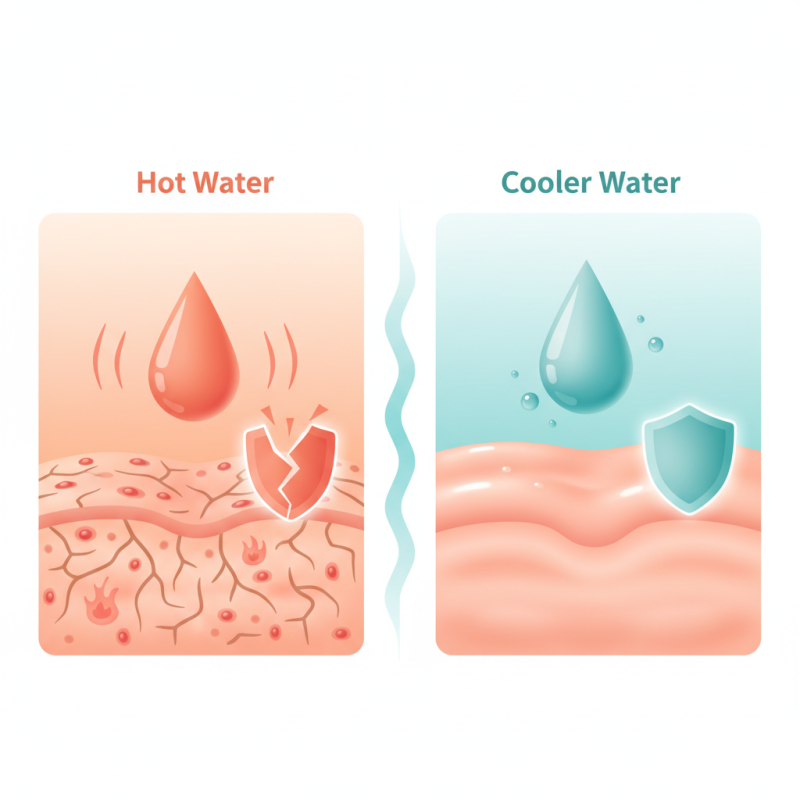
Excessive heat can lead to dryness and irritation. Hot showers or baths may worsen conditions like eczema or acne. The skin barrier, our first line of defense, can be compromised. This results in redness and inflammation. In some cases, it can even trigger allergic reactions.
Understanding the effects of hot water on skin health helps us make better choices. Instead of reaching for the hottest setting, consider cooler temperatures. This small change can maintain hydration levels in the skin. Ultimately, recognizing these factors empowers us to safeguard our skin’s vitality.
Impact of Hot Water on Skin Hydration Levels
Hot water can significantly impact skin hydration levels. Many people enjoy steaming showers or relaxing baths. However, prolonged exposure to hot water may strip the skin of its natural oils. This can lead to dryness and irritation. Hydration is essential for maintaining the skin’s barrier function. A compromised barrier can result in issues like eczema or dermatitis.
Moreover, the skin's pH balance can also be affected by hot water. An imbalance may lead to increased sensitivity and inflammation. Skin may feel tight and uncomfortable after hot water exposure. For individuals with pre-existing skin conditions, this can be particularly concerning. It’s essential to find a balance between enjoyment and care for skin health.
The temperature of water used for washing is critical. Cooler water is often better for hydration maintenance. While hot showers can be relaxing, consider limiting their duration. Reassessing habits can improve skin health over time. Listening to your skin's response can lead to better choices. Always pay attention to how your skin feels after you wash. This reflection is key.
Effects of Hot Water on Skin Barrier Function
Hot water can significantly influence skin barrier function. When skin is exposed to hot water, it can strip natural oils. This leads to dryness and irritation. The skin barrier is crucial for maintaining moisture and protecting against harmful elements. A compromised barrier allows irritants to penetrate deeper layers.
Frequent exposure to high temperatures can also disrupt the skin microbiome. This imbalance may cause breakouts and sensitivity. People with conditions like eczema may find hot water particularly aggravating. It's essential to consider individual skin types when determining safe water temperatures.
Finding the right balance can be challenging. Some enjoy hot showers for relaxation, while others may feel immediate irritation. Listening to your body is vital. If your skin feels tight or dry after washing, consider reducing water temperature. Understanding these effects can lead to healthier skin management practices.
Hot Water Exposure and Its Role in Skin Aging
Hot water exposure can significantly impact skin aging. While it may feel soothing, prolonged contact with hot water can strip the skin of its natural oils. This leads to dryness and irritation, which are early signs of aging. Skin that lacks moisture can develop fine lines and wrinkles more quickly. Not everyone realizes that hot water can be just as harmful as sun exposure.
Regularly bathing in hot water can affect the skin barrier. This barrier is crucial for maintaining hydration and protecting against environmental stressors. When the barrier is compromised, the skin becomes more prone to inflammation, redness, and premature aging. Some may not notice the effects immediately, but over time, these risks compound.
Reflection is necessary here. We often enjoy long, hot showers after a long day, seeking relaxation. However, it's important to consider the long-term consequences. Switching to lukewarm water might feel strange at first, but it can benefit the skin greatly. This change could improve hydration and reduce signs of aging, helping skin remain youthful and vibrant.
Preventive Measures for Hot Water-Induced Skin Damage
Hot water can be quite damaging to skin health. Many enjoy long, hot showers but often overlook the consequences. The skin barrier can weaken due to hot water exposure. According to a study published in the Journal of Dermatological Science, temperatures above 104°F (40°C) can lead to increased transepidermal water loss. This disrupts hydration and may lead to dryness.
To prevent hot water-induced skin damage, moderation is key. Experts recommend lukewarm water instead. This maintains skin hydration while cleansing effectively. The American Academy of Dermatology suggests limiting showers to 10-15 minutes. In addition, incorporating a gentle cleanser can help protect the skin barrier. Applying a moisturizing lotion immediately after bathing can also replenish lost moisture.
However, many people struggle with implementing these changes. Long, hot showers can feel comforting, making it hard to switch to a healthier routine. Awareness of the risks can motivate individuals to rethink their habits. In the end, being mindful of water temperature is crucial for maintaining skin health.
Understanding Optimal Water Temperature for Skin Health
Understanding the optimal water temperature for skin health is crucial. Many people enjoy hot showers or baths, believing it helps with relaxation. However, skin experts warn that water temperatures over 104°F (40°C) can strip the skin of natural oils. The American Academy of Dermatology suggests that lukewarm water, around 98.6°F (37°C), is more beneficial for maintaining skin hydration.
High temperatures can aggravate skin conditions. A study from the Journal of Cosmetic Dermatology noted that excessive heat can trigger skin irritation and redness. For those with eczema or psoriasis, hot water may worsen symptoms. The skin’s barrier function becomes compromised when exposed to high temperatures. This leads to increased moisture loss and a dry, flaky appearance.
For optimal skin health, balance is key. While a hot bath might feel soothing, the long-term effects can be detrimental. Adjusting your shower to a cooler temperature may enhance skin vitality. It can also leave skin feeling refreshed and reduce the risk of irritation. Remember, finding the right temperature can be a trial and error process. What feels comforting might not always be the healthiest choice.
FAQS
: Hot water can strip natural oils from your skin, leading to dryness and irritation.
Yes, prolonged exposure can cause dryness, which leads to fine lines and wrinkles over time.
Lukewarm water around 98.6°F (37°C) is recommended to maintain skin hydration.
Hot water can compromise the skin barrier, making skin more prone to irritation and moisture loss.
Yes, individuals with conditions like eczema may find hot water aggravates their symptoms.
Consider reducing the water temperature to prevent dryness and irritation.
Yes, finding a comfortable yet skin-friendly temperature can be challenging but essential.
Frequent high temperatures can disrupt the microbiome, potentially causing breakouts and increased sensitivity.
Yes, but moderation is key; regularly choosing cooler water is better for long-term skin health.
If you notice redness or irritation, your water temperature might be too high for your skin.
Conclusion
The article titled "How Hot Water Affects Skin Health and Why It Matters?" explores the significant impact of hot water on skin hydration levels, barrier function, and aging. It delves into why does hot water affect skin health by highlighting how excessive heat can strip the skin of its natural moisture, leading to dryness and irritation. Furthermore, prolonged exposure to hot water can compromise the skin's protective barrier, making it more susceptible to environmental aggressors and accelerating the aging process.
To mitigate these adverse effects, the article suggests preventive measures such as adjusting water temperature and recommending optimal practices for skin care routines. Ultimately, understanding the balance between hot water exposure and skin health is crucial for maintaining healthy skin and preventing long-term damage.

 Nativis Beauty