When it comes to hair health, understanding "what habits damage hair over time" is crucial. Industry experts, like Dr. Olivia Brown, a renowned trichologist, emphasize the impact of daily practices. She states, “The little things we do can lead to significant hair damage over time.” This insight highlights the necessity of recognizing harmful habits.
According to a recent study by the International Journal of Trichology, nearly 70% of women reported experiencing hair damage due to styling products and tools. Overuse of heat-styling tools can lead to dryness and breakage. Meanwhile, frequent chemical treatments can weaken hair structure, making it more susceptible to damage. Even simple, everyday actions may contribute to long-term harm.
Ignoring the effects of these habits can be detrimental. Combating hair damage requires awareness and action. Prioritizing hair health means reassessing routines and adopting gentler practices. By understanding "what habits damage hair over time," individuals can make informed choices for stronger, healthier hair.
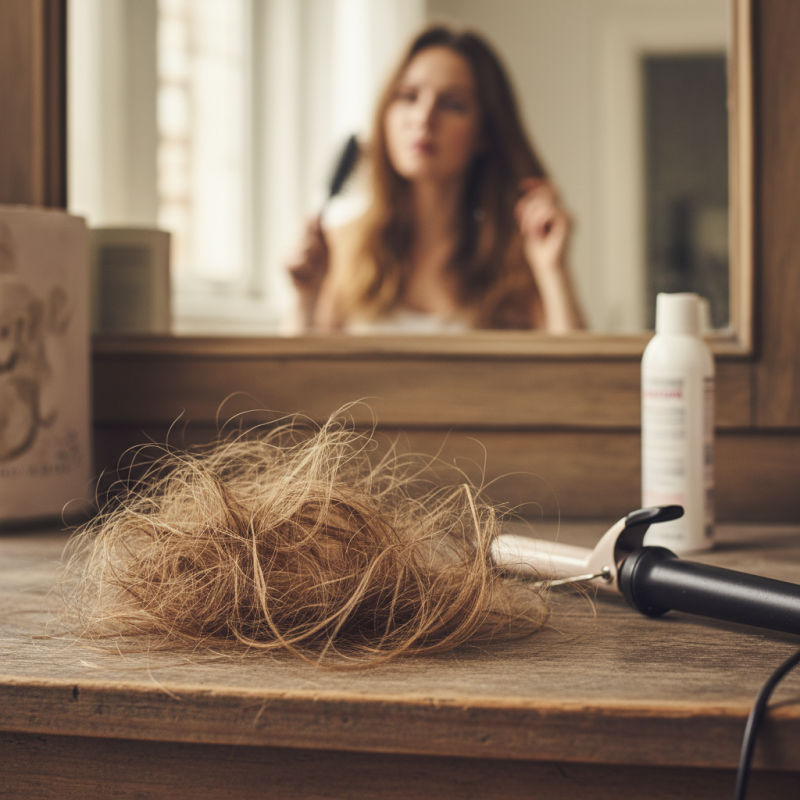
Common Hair Care Mistakes That Lead to Long-Term Damage
Taking care of your hair is essential, yet many people unknowingly engage in habits that lead to long-term damage.
One common mistake is excessive heat styling. Tools like curling irons and straighteners can weaken hair’s structure over time.
It’s crucial to allow hair to air dry whenever possible. When heat is necessary, using a heat protectant can help mitigate damage.
Another frequent issue is improper washing techniques. Over-washing can strip natural oils, leaving hair dry and brittle.
It is important to find a washing routine that suits your hair type. Additionally, using harsh shampoos can contribute to scalp irritation.
Gentle, sulfate-free alternatives are often better options. Following up with conditioner should never be skipped,
as it infuses moisture and reduces tangles.
Lastly, neglecting regular trims can cause split ends and uneven growth. Many wait too long between haircuts, thinking it's a way to encourage length.
However, this rarely leads to healthy hair. Instead, regular trims can promote a cleaner appearance and prevent further breakage. Reflecting on these habits allows for healthier choices in hair care.
Impact of Heat Styling Tools on Hair Health Over Time
Heat styling tools have become a staple in many hair care routines, but their impact on hair health can be detrimental over time. Each time you use a flat iron or curling wand, you're exposing your hair to high temperatures. This can lead to dryness, frizz, and breakage. The heat causes the hair cuticle to lift, stripping away natural moisture and leaving your hair vulnerable.
Frequent use of these tools can result in long-lasting damage. Hair that is often styled with heat may lose its elasticity. It can become brittle, making it more prone to split ends. Over time, this damage accumulates. You might notice that your hair feels rough and looks dull. While heat styling can create beautiful styles, moderation is essential.
Consider incorporating heat-free methods into your routine. Braiding wet hair or using rollers can create waves without the damage. Limiting the use of heat tools is another step you can take. When you do choose to style, always apply a protective serum. Reflection is vital. Assess your styling habits and make choices that promote the health of your hair.
Chemical Treatments: The Risks and Effects on Hair Structure
Chemical treatments can be a tempting way to achieve the desired look. However, they can significantly alter your hair structure over time. Treatments like coloring, perming, or relaxing often involve strong chemicals. These chemicals can strip away the hair's natural moisture and protein.
Repeated exposure to these harsh substances can lead to dryness and brittleness. Hair may lose its elasticity and become more prone to breakage. The cuticle, which protects each hair strand, can become damaged, leading to split ends. Instead of a healthy shine, hair may appear dull and lifeless.
It’s essential to recognize the signs of hair damage. If your hair feels rough or looks frizzy, it’s time to reflect on your treatment choices. Seeking professional advice can help you choose safer alternatives. Embracing your natural texture could be a healthier path. Finding a balance between beauty standards and hair health is a challenge many face.
What Habits Can Damage Your Hair Over Time?
This chart illustrates the potential damage scores of various habits that can harm hair health over time. Chemical treatments are identified as the most damaging, followed by heat styling and lack of moisture. Maintaining a balanced diet and getting regular trims can help mitigate some of this damage.
Daily Habits: How Diet and Hydration Affect Hair Strength
Our hair reflects our overall health. Diet and hydration play crucial roles in maintaining hair strength. A well-balanced diet rich in vitamins and minerals can promote healthier hair growth. Foods high in omega-3 fatty acids, iron, and vitamins A, C, and E are particularly beneficial. Incorporating fruits, vegetables, and lean proteins into your meals can improve your hair's vitality.
Hydration is equally important. Drinking enough water is essential for overall health and hair hydration. Dry hair can lead to brittleness and breakage. While we often recognize the importance of hydration, many of us overlook how dehydration affects our hair. It’s easy to forget, but proper hydration should be a daily priority.
Even with a good diet, it's easy to have off days. Skipping meals or opting for processed snacks may seem harmless but can gradually harm hair health. It’s essential to reflect on your eating habits and make necessary adjustments. There’s always room for improvement, and small changes can yield significant results over time.
Environmental Factors: UV Exposure and Pollution's Role in Hair Damage
UV exposure is one of the main culprits of hair damage.
Sunlight can weaken hair strands and lead to color fading. Over time, this exposure makes hair more brittle. Hair may lose its natural moisture and shine.
It is crucial to protect your hair when spending time outdoors.
Wearing hats or using UV protection products can help.
Pollution is another factor affecting hair health. Dust, smoke, and chemicals in the air cling to hair, making it dull and lifeless.
These pollutants can penetrate the hair shaft, leading to long-term damage. Regular cleansing is necessary to remove these impurities. However, over-washing can strip natural oils.
Finding a balance is key for maintaining healthy hair.
Reflecting on your daily routine is essential. Many overlook the impact of their environment on hair health.
Simple changes can lead to significant improvements.
Considering protective measures and mindful hair care practices helps combat the effects of UV rays and pollution.
Building a strong routine can make a noticeable difference over time.
FAQS
: Excessive heat styling can weaken hair's structure over time.
Air drying your hair is ideal. If heat is necessary, use a heat protectant.
Over-washing can strip natural oils and leave hair dry and brittle.
Avoid harsh shampoos; opt for gentle, sulfate-free alternatives for scalp health.
Conditioner adds moisture and reduces tangles, promoting healthier hair.
Regular trims help prevent split ends and promote a cleaner appearance.
Yes, a balanced diet rich in vitamins and minerals supports healthy hair growth.
Drinking enough water is essential for overall health and hair hydration.
Dry hair can lead to brittleness and breakage, often from dehydration or poor nutrition.
Consider how often you skip meals or rely on processed snacks. Small changes can make a difference.
Conclusion
Maintaining healthy hair requires awareness of what habits damage hair over time. One of the most common mistakes is improper hair care practices, such as over-washing or using harsh products, which can lead to long-term damage. Additionally, the frequent use of heat styling tools can weaken hair shafts, causing brittleness and split ends. Chemical treatments, while popular for achieving specific styles, pose risks by altering the natural structure of hair, which can lead to further issues.
Furthermore, daily habits related to diet and hydration play a crucial role in determining hair strength. A nutritious diet supports hair health, while inadequate hydration can result in dry and lifeless hair. Environmental factors, such as UV exposure and pollution, also contribute significantly to hair damage over time, making it essential to protect hair from these elements. By understanding these factors, individuals can adopt better routines to preserve their hair's health and vitality.

 Nativis Beauty