Understanding hair care can be challenging. Many people ask, "why is my hair still dry after conditioning?" Despite using conditioners, hair may still lack moisture. This issue could stem from various factors, including the choice of products, hair type, and environmental influences.
Conditioners are designed to hydrate and nourish. However, if your hair remains dry, it might indicate underlying problems. For instance, the frequency of washing, water temperature, and styling methods can contribute to dryness. Additionally, some products may not suit your hair type, leading to inadequate moisture retention.
Seeking expert advice can be beneficial. A professional stylist can analyze your hair and provide tailored recommendations. Reflecting on your routine can also lead to meaningful changes. Adapting your approach might be the key to achieving the hydrated, healthy hair you desire.
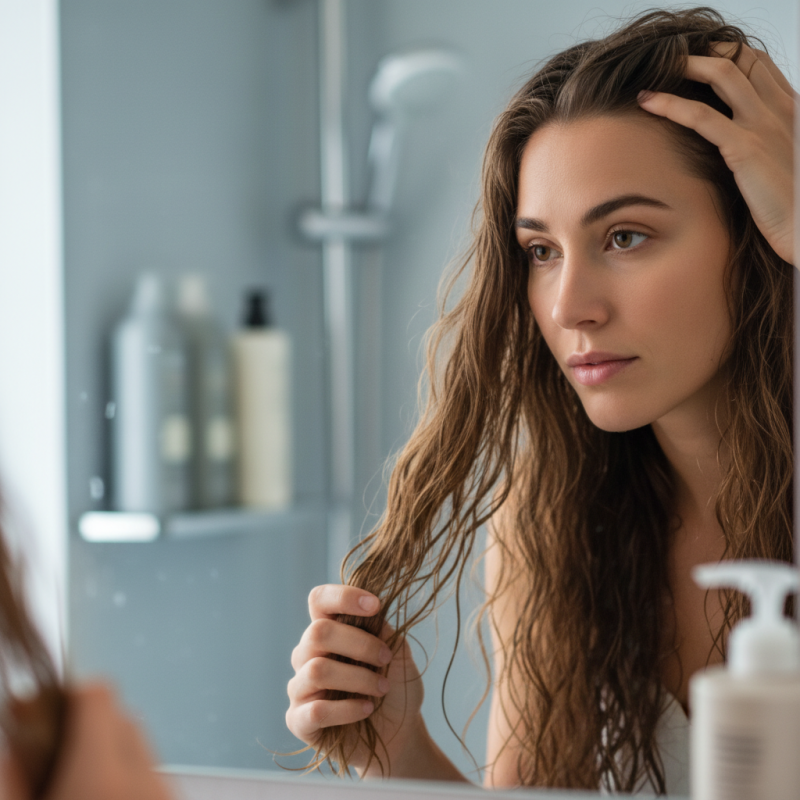
Understanding hair types is essential for effective conditioning. Each hair type has unique needs that influence how it reacts to different products. For instance, fine hair often requires lightweight conditioners. Heavy creams can weigh it down, leading to a greasy appearance. Meanwhile, thick or coarse hair tends to absorb moisture more quickly but may still feel dry if not treated properly.
According to the International Journal of Trichology, over 80% of individuals with curly hair report dryness. This is mainly due to the hair’s structure. Curly hair has twists and turns that make it difficult for natural oils to travel down the strands. As a result, conditioner may not penetrate deeply. Hydrating treatments, such as leave-in conditioners or deep conditioning masks, can provide necessary moisture.
Common mistakes occur when people choose the wrong products. Using products designed for straight hair on textured hair often leads to dissatisfaction. It’s essential to explore your hair type and adjust your conditioning routine. Regular assessments of your hair’s response to conditioning can promote healthier strands. Not all conditioning routines work for everyone; it’s a journey of trial and error. Finding the right approach may require patience and experimentation.
| Hair Type | Common Issues | Recommended Conditioning Tips | Additional Care |
|---|---|---|---|
| Straight | Greasy roots, dry ends | Use lightweight conditioners, focus on mid-length to ends | Avoid heavy products that can weigh it down |
| Wavy | Frizz, uneven hydration | Apply curl creams after conditioning; consider deep conditioning weekly | Use sulfate-free shampoos to maintain moisture |
| Curly | Excess dryness, breakage | Use rich, creamy conditioners; apply leave-in conditioner | Trim regularly to avoid split ends |
| Coily | Severe dryness, shrinkage | Deep condition regularly; incorporate oils | Avoid heat styling; protective hairstyles can help retain moisture |
: Each hair type has unique conditioning needs. Fine hair, for example, requires lightweight products.
Curly hair's twists make it hard for natural oils to reach the ends. This leads to dryness.
Use deep-conditioning masks with natural oils. Look for ingredients like argan or coconut oil.
Leave-in conditioners provide ongoing moisture. They protect against environmental dryness throughout the day.
Using products meant for straight hair on textured hair often leads to unsatisfactory results.
Over-washing strips natural oils, leading to dryness. Assess your washing routine for better results.
Focus on applying products to the ends of your hair, where damage often occurs.
No, it often requires patience and experimentation. Trial and error are essential for discovering what works.
Regular assessments help adjust your conditioning routine and promote healthier hair.
Yes, using heat can cause further dryness. Always apply heat protection products before styling.
If you’ve ever found yourself asking, “why is my hair still dry after conditioning,” you’re not alone. The effectiveness of conditioning can vary greatly depending on your hair type and its specific needs. Understanding the unique characteristics of your hair can help in selecting the right products and techniques to restore moisture. Common reasons for persistent dryness include inadequate product absorption, product buildup, and environmental factors that strip your hair of its natural oils.
To achieve optimal moisture retention, effective conditioning techniques such as pre-conditioning treatments, deep conditioning masks, and regular trims can make a significant difference. Additionally, incorporating hydrating products into your routine and making lifestyle changes—like a balanced diet and proper hydration—can further improve your hair health. By addressing these factors, you can move closer to having soft, hydrated hair that no longer poses the question, “why is my hair still dry after conditioning?”

 Nativis Beauty