Choosing the right skincare can be overwhelming. With countless options available, it’s vital to understand how to choose skincare for different skin types. Every skin type, from oily to dry, has unique needs. Tailoring your products can help achieve a healthier, glowing complexion.
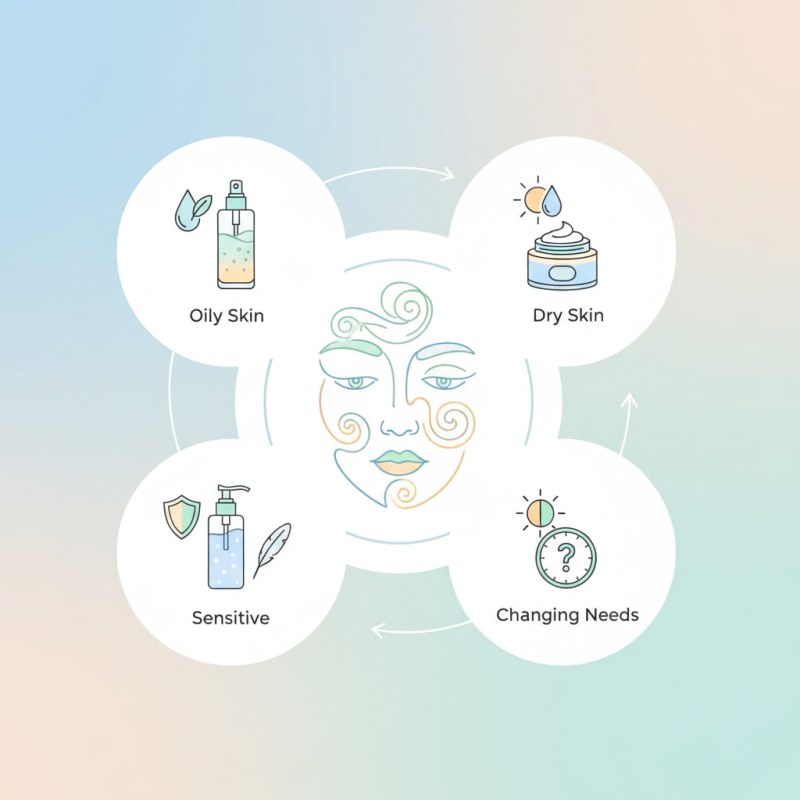
When selecting skincare, consider your individual skin type. Oily skin may benefit from lightweight, non-comedogenic products. Dry skin often requires rich moisturizers to improve hydration. Sensitive skin needs gentle formulas that avoid harsh ingredients. This thoughtful approach enhances both the effectiveness of your skincare routine and your skin's overall health.
It is essential to reflect on your skin’s changing needs. Environmental factors, age, and lifestyle can impact your skin. Sometimes, a product that worked before may not be effective now. Regularly reassess what your skin craves to maintain balance. This self-awareness will empower you to make informed decisions about your skincare journey.
Understanding Your Skin Type: An Analysis of Common Skin Traits
Understanding your skin type is crucial for effective skincare. Different skin types exhibit unique traits and behaviors.
Oily skin tends to shine and may develop acne.
Dry skin often feels tight and may flake.
Sensitive skin can react with redness or irritation.
Combination skin presents mixed characteristics, often oily in the T-zone and dry elsewhere.
Identifying your skin type involves observing its behavior under various conditions. For example, does your face feel greasy by midday? This could indicate oily skin. Alternatively, if your skin feels parched and uncomfortable after cleansing, dryness may be an issue.
Paying close attention to how your skin responds to different products helps to refine your skincare routine.
It’s common to feel overwhelmed by the plethora of products available. Often, what works for one person may not be suitable for another.
Experimenting with different textures and ingredients is part of the process.
Take notes on how your skin reacts over time. This reflection can provide valuable insights into your specific needs and improve your overall skincare approach.
Identifying Key Ingredients for Each Skin Type: A Comprehensive Guide
Choosing the right skincare involves observing your unique skin needs. Different skin types—oily, dry, combination, and sensitive—require specific ingredients. For instance, oily skin benefits from salicylic acid, known for its oil-reducing properties. Research shows that salicylic acid can decrease sebum production by up to 50% in just a few weeks.
Dry skin often craves hydration. Ingredients like hyaluronic acid attract moisture, instantly improving skin texture. A study found that products with hyaluronic acid increased skin hydration levels by 96% in four weeks. For sensitive skin, calming ingredients like aloe vera and chamomile are essential. Data indicates that aloe vera can reduce skin irritation in patients with inflammatory skin conditions.
Recognizing your skin type is crucial. Assessing your skin's response to products can guide you. Acknowledging the mismatch between your skin's needs and product ingredients is key. Experimenting with formulations might lead to trial and error, but it's a necessary path to achieving healthy skin.
The Role of pH Balance in Skincare: Optimal Levels for Different Skin Types
The pH balance of your skin plays a crucial role in determining the right skincare for your skin type. The skin's pH levels typically range from 4.5 to 5.5, making it slightly acidic. This acidity is vital for maintaining the skin's barrier function and overall health. A 2019 report by the Journal of Dermatology emphasized that products with a pH level outside this range can disrupt the skin barrier, leading to irritation and inflammation.
For oily skin, a slightly more alkaline pH may help manage sebum production. In contrast, dry or sensitive skin benefits from products that maintain acidity, helping to lock in moisture. Interestingly, a study found that individuals with eczema had a higher skin pH, suggesting their skin barrier was compromised. It’s essential to reflect on how different products interact with your skin's unique pH.
Moreover, the importance of testing pH in today's skincare industry cannot be understated. A survey conducted in 2021 revealed that only 30% of consumers consider pH balance when choosing skincare. This lack of awareness can lead to poor choices. Understanding pH balance encourages a more informed approach to skincare, helping you select products that truly support your skin's health.
pH Balance in Skincare for Different Skin Types
Seasonal Changes and Skin Care: Adjusting Your Routine for Best Results
Seasonal changes significantly impact our skin. As temperatures shift, skin responses vary. Research indicates that around 60% of people report skin issues during seasonal transitions. Dry winter air can deplete moisture, while summer heat triggers oil production. Understanding these changes is essential for effective skincare.
During colder months, many experience dry, flaky skin. In fact, a survey found that 70% of individuals switch to heavier moisturizers in winter. These products help lock in hydration. On the flip side, summer calls for lighter formulations. Lightweight gel-based products are preferable in humid conditions. They provide hydration without feeling greasy.
Adjusting your routine doesn’t have to be perfect. Many overlook the importance of exfoliation when seasons change. Regular exfoliation can combat dead skin buildup, especially in winter. In summer, avoid harsh scrubs that can irritate the skin. Instead, consider gentle exfoliants.
Observation is key. Pay attention to your skin’s responses. Adjustments may lead to better results and a more balanced complexion.
Professional Recommendations: Dermatologist Insights on Tailoring Skincare Products
Choosing the right skincare is crucial for your skin's health. Dermatologists stress that every skin type has unique needs.
Oily skin, for instance, requires lightweight, non-comedogenic products. This helps prevent clogged pores and breakouts. Conversely, dry skin benefits from rich, hydrating ingredients to restore moisture levels.
Experts recommend patch testing new products. This step ensures compatibility, reducing the risk of adverse reactions. Even popular items can irritate sensitive skin. Be wary of fragrance in formulations, as it may cause discomfort. Consult a dermatologist if you're unsure about your skin type. They can provide personalized recommendations based on skin concerns and lifestyle.
Skincare is often a journey of trial and error. Some products may not work as expected. It’s essential to reassess your routine regularly. What suited you last season might not work now. Documenting your skincare routine can help track progress and reactions. Adjustments may be necessary as your skin changes.
FAQS
: Observe your skin’s behavior. Notice if it feels greasy, tight, or reacts with redness after using products.
Skin's pH affects barrier function. Keeping it between 4.5 and 5.5 promotes skin health and prevents irritation.
Lightweight, non-comedogenic products work best. They help avoid clogged pores and reduce breakouts.
Use hydrating ingredients that maintain acidity. This helps lock in moisture and soothe irritation.
It helps ensure compatibility. Even well-known items can cause reactions, especially in sensitive skin.
Stop using it immediately and consult a dermatologist for personalized advice and alternative options.
Yes, skin needs can change due to seasons or other factors. Regular reflection on your routine is vital.
Keep notes on how your skin reacts to products. This helps identify trends and adjust your routine.
Yes, not knowing can lead to poor product choices. Consult a professional for tailored advice.
Experimenting is part of the process. Reflect on your skin’s responses to find what works best.
Conclusion
Choosing the right skincare can significantly impact the health and appearance of your skin. To effectively determine how to choose skincare for different skin types, it's essential to first understand your skin's unique characteristics, such as oiliness, dryness, sensitivity, or combination traits. This foundational knowledge will guide you in identifying key ingredients that cater to your specific needs, ensuring you select products that nourish and protect your skin.
Additionally, maintaining the optimal pH balance is crucial for different skin types, as it can enhance the effectiveness of your skincare regimen. It's also important to adapt your routine with the changing seasons, as varying environmental factors can influence your skin's condition. Lastly, consulting with professionals, such as dermatologists, can provide tailored insights and recommendations, helping you make informed decisions about your skincare products. By following these guidelines, you can achieve a well-balanced and effective skincare routine tailored to your individual skin type.

 Nativis Beauty