Scalp dryness is a common issue that affects many people. On the surface, it seems simple, yet the effects can be quite uncomfortable. Itching, flaking, and irritation can diminish your quality of life. If you've ever asked, "what causes scalp dryness and how to fix it," you're not alone. Understanding the underlying causes is essential for effective treatment.
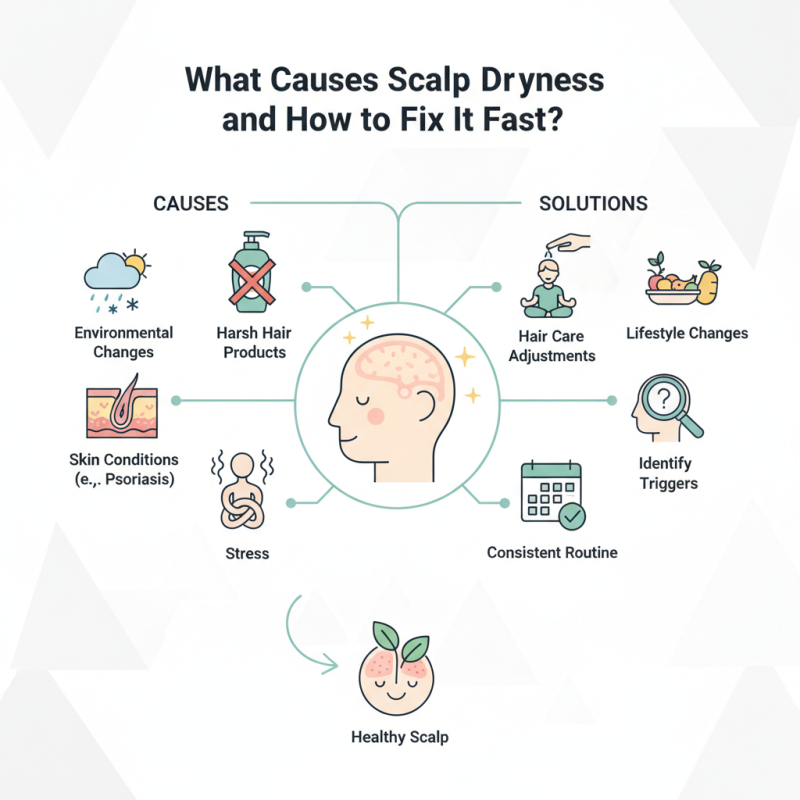
Dry scalp can result from various factors. Environmental changes, harsh hair products, and skin conditions like psoriasis often play a role. Even stress can contribute to the problem. Identifying your specific triggers is crucial. In this guide, we will explore effective solutions. Whether it's a shift in your hair care routine or lifestyle adjustments, solutions exist. When you know what causes scalp dryness, taking the right steps to fix it becomes clearer.
In our search for quick fixes, we must remember that patience is key. Solutions can take time to show results. Regular care and attention can help restore scalp health. Embracing a consistent routine may require some trial and error. Ultimately, your scalp deserves the proper care to feel comfortable and healthy once again.
Understanding the Anatomy of the Scalp and Its Role in Moisture Balance
Understanding the anatomy of the scalp is crucial for addressing dryness effectively. The scalp is composed of several layers, including the epidermis, dermis, and subcutis. It plays a vital role in moisture balance through its sebaceous glands, which produce natural oils. These oils create a protective barrier, preventing moisture loss. However, factors such as weather, product use, and hygiene can disrupt this balance.
A report from the American Academy of Dermatology indicates that up to 50% of the population experiences scalp dryness at some point. Environmental conditions like low humidity and harsh cleansing agents can significantly impact oil production. When these natural oils are stripped away, the scalp becomes vulnerable to potential irritation and flakiness. Regularly incorporating scalp massages can stimulate oil production, enhancing moisture retention.
Moreover, individual habits also influence scalp health. Common practices like overwashing or using hot water can exacerbate dryness. People often overlook the importance of gentle cleansing routines. Adjusting the frequency of washing or opting for milder shampoos can create a more balanced scalp environment. In a world of diverse hair care advice, reflecting on one’s habits can lead to better scalp care strategies.
Common Causes of Scalp Dryness: Environmental and Lifestyle Factors
Scalp dryness can be caused by various environmental and lifestyle factors. Low humidity, common in winter months, can leave your scalp parched. Sun exposure can also strip moisture, leading to irritation. You may notice more itchiness during this time. Excessive heat from styling tools can further exacerbate the problem.
Moreover, harsh shampoos and skincare products often deplete natural oils. Check labels for sulfates and alcohol, as they can dry the scalp. A change in diet can contribute too. Lack of hydration and essential fatty acids may worsen dryness. Eating more omega-3s and drinking enough water can help restore balance.
Stress is another overlooked factor. It can lead to hormonal changes, which might aggravate dryness. While it’s hard to control every aspect of life, finding moments to relax may benefit your scalp's health. Each of these factors plays a role. Taking small steps can help improve your scalp condition.
Common Causes of Scalp Dryness
Identifying Symptoms of Dry Scalp: Signs to Look Out For
Dry scalp can be an uncomfortable condition that many people face. It often presents with symptoms like itching, flaking, and tightness. Identifying these signs early is vital for effective treatment. If you notice persistent dryness, it’s essential to pay attention. You might see white flakes on your shoulders or feel a prickly sensation on your scalp.
One way to address dry scalp is to adjust your washing routine. Over-washing can strip natural oils. Aim to wash your hair two to three times a week. On non-wash days, try to use a soft brush to distribute natural oils. This can keep your scalp moisturized. Also, using lukewarm water instead of hot can minimize dryness. Hot water can be damaging and lead to irritation.
Moisturizing is key. Consider using a gentle conditioner with natural oils. Look for ingredients like aloe vera or jojoba oil. These can help soothe the scalp. Additionally, incorporating a weekly scalp massage with oils can provide nourishment. It’s easy to forget about our scalp health, but it really matters. Taking small steps can make a big difference in alleviating dryness.
Effective Home Remedies to Treat Scalp Dryness Quickly
Scalp dryness can be uncomfortable and frustrating. Many factors contribute to this condition, including weather changes, excessive heat styling, or harsh hair products. Fortunately, there are effective home remedies available to alleviate dryness quickly.
One simple remedy involves using natural oils. For instance, coconut oil or olive oil can provide deep moisture. Warm the oil slightly and massage it into your scalp. Leave it on for about 30 minutes before washing your hair. This method helps replenish lost moisture and can soothe irritation. Another option is to use aloe vera gel. It has soothing properties that can hydrate the scalp effectively. Apply fresh aloe vera directly to the scalp and leave it on for a few hours.
Regular hydration is essential. Drink plenty of water as it helps improve skin health, including the scalp. Additionally, consider adjusting your shampoo routine. Use a gentle, sulfate-free shampoo that doesn’t strip natural oils. Avoid washing your hair too often, as this can lead to increased dryness. Remember, these remedies may take time to show results, and individual responses can vary. Adjust your routine based on what feels right for your scalp.
Preventive Measures to Maintain Scalp Health and Hydration
Maintaining scalp health is vital for overall hair wellness. A well-hydrated scalp can prevent issues like dryness and flakiness. One effective preventive measure is to keep your scalp clean but moisturized. Gentle, sulfate-free shampoos help retain moisture without stripping natural oils. Massage your scalp while washing to promote blood circulation, which aids hydration.
Incorporating natural oils can significantly enhance scalp health. Coconut oil and jojoba oil are great choices. They penetrate deeply and nourish the scalp. Regularly applying these oils can create a barrier against dryness. Adjust your washing frequency based on your scalp's needs. Over-washing can lead to dryness, so pay attention to how your scalp feels.
A balanced diet is crucial, too. Consuming foods rich in omega-3 fatty acids and vitamins A and E supports healthy skin. Staying hydrated by drinking enough water also plays a significant role. If you notice persistent dryness or irritation, consider seeking professional advice. Everyone's scalp is unique, and sometimes, solutions require a bit of trial and error to find what works best.
FAQS
: Scalp dryness can be due to weather changes, heat styling, or harsh hair products. Each factor varies in impact.
Natural oils, like coconut or olive oil, provide deep moisture. They nourish the scalp and alleviate dryness.
Warm the oil slightly, massage it into your scalp, and leave it on for about 30 minutes before washing.
Yes, aloe vera gel hydrates and soothes the scalp. Apply it directly and leave it on for a few hours.
Drinking plenty of water improves scalp health. Dehydration can lead to dryness and irritation.
Yes, use a gentle, sulfate-free shampoo. Avoid frequent washing to prevent stripping natural oils from your scalp.
A balanced diet rich in omega-3s and vitamins A and E supports healthy skin, including the scalp.
Adjust your washing frequency to your scalp's needs. Over-washing can contribute to dryness.
If dryness or irritation continues, consider seeking professional advice. Individual needs can differ greatly.
Yes, results may take time to appear. Everyone's scalp reacts differently, so patience is key.
Conclusion
Scalp dryness is a common issue that can be attributed to various environmental and lifestyle factors. Understanding the anatomy of the scalp is essential, as it plays a crucial role in maintaining moisture balance. Common causes of dryness include harsh weather conditions, inadequate hydration, and certain hair care practices. Recognizing the symptoms, such as itching and flaking, is the first step in addressing the problem.
To answer the question of what causes scalp dryness and how to fix it, effective home remedies can provide quick relief, such as natural oils and moisturizing treatments. Preventive measures, including a balanced diet and appropriate hair care habits, are vital in maintaining scalp health and hydration. By addressing these factors, individuals can significantly improve their scalp condition and overall comfort.

 Nativis Beauty