A dry scalp can feel tight, itchy, and uncomfortable, especially after washing. Small white flakes may fall onto a dark shirt. However, flakes do not always mean dandruff. Cold air, hot showers, harsh shampoos, product buildup, eczema, psoriasis, and dehydration can all affect scalp comfort.
Board-certified dermatologist Dr. Hadley King explains, “A dry scalp is usually caused by a lack of moisture, while dandruff is related to excess oil and yeast.” That distinction matters. The symptoms can look similar, but the best treatment may differ. In real life, the line is not always tidy. Some people may have dryness and dandruff together.
This guide explores what causes scalp dryness and how to fix it through seven practical approaches. These include gentler cleansing, better water temperature, scalp moisturising, and careful product selection. It also considers when medicated shampoos may help. Small changes can matter. Use lukewarm water, rinse thoroughly, and avoid scratching irritated skin. A fragrance-free shampoo may feel less exciting, but it can reduce unnecessary irritation.
Still, home care is not a universal answer. Persistent redness, thick scales, painful areas, bleeding, or hair loss deserves professional evaluation. A dermatologist can examine the scalp closely and identify conditions that ordinary dryness products may miss. The goal is not merely to remove flakes. It is to restore comfort while protecting the scalp barrier. Some advice may need adjustment. Your scalp’s response is useful evidence.
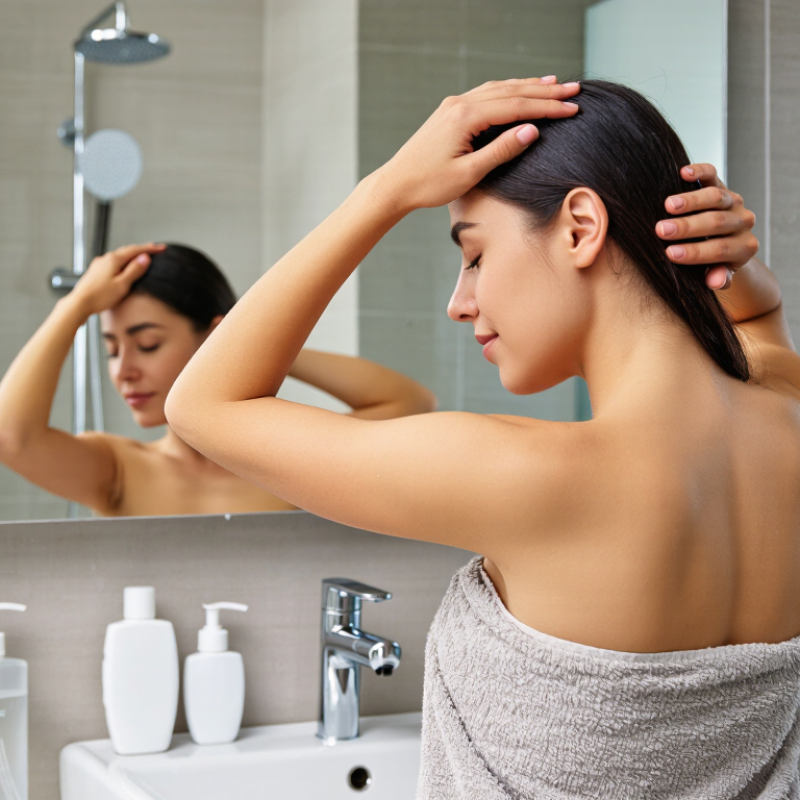
A dry scalp loses too much moisture from its outer skin layer. Cold air, indoor heating, hot showers, and frequent shampooing can worsen this problem. Strong cleansing ingredients may strip natural oils, leaving the scalp tight, rough, or mildly itchy. Small, white flakes may fall onto dark clothing. The skin can also feel uncomfortable after brushing.
Dandruff is different, although the symptoms can overlap. It often involves excess oil, scalp irritation, and an increased response to a normal yeast called Malassezia. Flakes may look larger, greasy, or yellowish. Redness and persistent itching are also common. A dry scalp usually feels tight and produces finer flakes. The boundary is not always neat. Some people have both conditions, which makes self-diagnosis less reliable.
Start with lukewarm water and a gentle, fragrance-free cleanser. Avoid scratching, because broken skin can invite infection. A humidifier may help during dry winter months. If flakes remain, an evidence-based anti-dandruff treatment may be useful, but follow its directions carefully. Scalp psoriasis, eczema, and contact dermatitis can resemble dandruff. Seek professional advice if you notice thick plaques, pain, bleeding, hair loss, or symptoms lasting several weeks. I used to assume every flake meant dandruff; that assumption is too simple.
| Topic | Common Causes or Actions | Typical Signs | Evidence-Based Guidance | When to Seek Medical Advice |
|---|---|---|---|---|
| 1. Use a gentle shampoo | Frequent washing, hot water, or shampoos containing strong cleansing agents may remove too much surface oil from the scalp. | Tightness, mild itching, small white flakes, and a dry or rough feeling. | Wash with lukewarm water and choose a mild, fragrance-free cleanser when possible. Rinse thoroughly and avoid vigorous scrubbing. | Consult a clinician if irritation continues after changing products or if the scalp becomes painful, swollen, or weepy. |
| 2. Moisturize the scalp carefully | Low humidity, cold weather, indoor heating, and naturally dry skin can reduce moisture in the scalp. | Fine flakes and dryness that may worsen during colder or drier months. | Use a scalp moisturizer or a simple, non-irritating emollient designed for the scalp. Patch-test new products and stop if burning or redness develops. | Seek advice for persistent redness, crusting, or a rash that spreads beyond the scalp. |
| 3. Reduce heat and chemical exposure | Hair dryers, hot styling tools, bleaching, coloring, straightening treatments, and irritating fragrances can damage the skin barrier. | Dryness, burning, sensitivity, redness, or flaking after styling or chemical treatment. | Use the lowest comfortable heat setting, increase the distance from the scalp, and pause chemical treatments until the scalp recovers. | Get medical help promptly if swelling, blistering, severe burning, or facial involvement occurs after a product. |
| 4. Consider an anti-dandruff shampoo when appropriate | Dandruff is commonly associated with excess oil, scalp inflammation, and sensitivity to naturally occurring Malassezia yeast. | Greasy or yellowish flakes, itching, and redness, often around the scalp, hairline, eyebrows, ears, or beard area. | Follow the product directions for an anti-dandruff shampoo containing an appropriate active ingredient. Allow the lather to remain on the scalp for the recommended time before rinsing. | See a healthcare professional if symptoms do not improve after several weeks, become severe, or repeatedly return. |
| 5. Avoid scratching | Scratching can create small skin breaks, increase inflammation, and introduce bacteria into damaged skin. | Worsening itch, tenderness, scabs, bleeding, or temporary hair shedding from irritation. | Keep fingernails short, use gentle cleansing, and apply a cool compress for short periods to relieve discomfort. | Medical evaluation is recommended for pus, increasing pain, warmth, swelling, or rapidly worsening symptoms. |
| 6. Review possible contact triggers | Hair dye, styling products, preservatives, fragrances, hats, and detergents may cause irritant or allergic contact dermatitis. | Redness, intense itching, burning, scaling, or a rash that appears after using a new product. | Stop the suspected product and keep a record of ingredients and timing. A clinician may recommend patch testing if the reaction recurs. | Urgent care is needed for facial swelling, breathing difficulty, widespread hives, or severe blistering. |
| 7. Support overall scalp health | Underlying skin conditions, stress, some medicines, and nutritional or medical problems can contribute to persistent scalp symptoms. | Ongoing flaking, thick plaques, marked hair loss, sores, or symptoms affecting other body areas. | Maintain a consistent gentle hair-care routine and discuss persistent or recurring symptoms with a qualified healthcare professional rather than self-treating indefinitely. | Arrange an appointment for thick silvery plaques, circular patches of hair loss, bleeding lesions, fever, or symptoms lasting more than a few weeks. |
| Dry scalp versus dandruff | Dry scalp generally involves insufficient moisture or barrier irritation. Dandruff is an inflammatory flaking condition often linked with oil production and Malassezia sensitivity. | Dry scalp: small, dry white flakes and tightness. Dandruff: larger or greasy flakes, itch, and possible redness. | Dryness may improve with gentler cleansing and moisturization, while dandruff may require a medicated anti-dandruff shampoo. | Because the conditions can overlap, persistent or uncertain symptoms should be assessed by a healthcare professional. |
Cold air, indoor heating, hot showers, and frequent shampooing can remove protective oils. Strong cleansers may leave the scalp tight, rough, or mildly itchy.
A dry scalp often produces fine, white flakes and feels tight. Dandruff may cause larger, greasy, or yellowish flakes with redness and persistent itching.
Yes. Symptoms can overlap, so self-diagnosis is not always reliable. The boundary is not perfectly clear.
Use lukewarm water and a gentle, fragrance-free cleanser. Massage with your fingertips, rinse thoroughly, and pat the scalp dry.
Possibly, if daily washing increases tightness or irritation. Avoid leaving heavy oil on an uncomfortable scalp.
A lightweight, scalp-safe moisturizer may help on slightly damp skin. Thick products can sometimes increase itching. I once assumed more oil meant more moisture; that was wrong.
Keep showers short. Avoid scratching, picking flakes, and rubbing with a towel. Pause new hair products if irritation begins.
Seek advice for pain, bleeding, swelling, hair loss, thick plaques, or symptoms lasting several weeks. Eczema, psoriasis, and contact dermatitis can resemble dandruff.
It may help during dry winter months by adding moisture to indoor air. Results vary, so track changes for two weeks.
No. Essential oils and other ingredients may irritate sensitive skin, even when they feel soothing briefly. Be cautious.
A dry scalp can develop when the skin loses too much moisture, often because of cold or dry weather, hot showers, harsh cleansing products, frequent washing, dehydration, or irritation from styling treatments. Unlike dandruff, which is commonly linked to excess oil and increased skin-cell shedding, scalp dryness usually causes small, fine flakes and a tight, itchy feeling. Understanding what causes scalp dryness and how to fix it begins with noticing symptoms such as redness, sensitivity, scaling, and discomfort, as well as identifying personal triggers.
Relief often comes from washing with lukewarm water, choosing a gentle cleanser, reducing heat styling, moisturizing the scalp appropriately, staying hydrated, and avoiding scratching or heavily fragranced products. Regularly cleaning brushes and giving the scalp breaks from irritating treatments can also help prevent recurring problems. If dryness continues despite consistent care, becomes painful, develops open sores, or is accompanied by significant hair loss, a healthcare professional or dermatologist should evaluate the condition to rule out eczema, psoriasis, infection, or another underlying issue.

 Nativis Beauty