Top 10 Best Times to Shower for Healthy Skin Tips?

Time:2026-05-31 Author:Ethan
0%

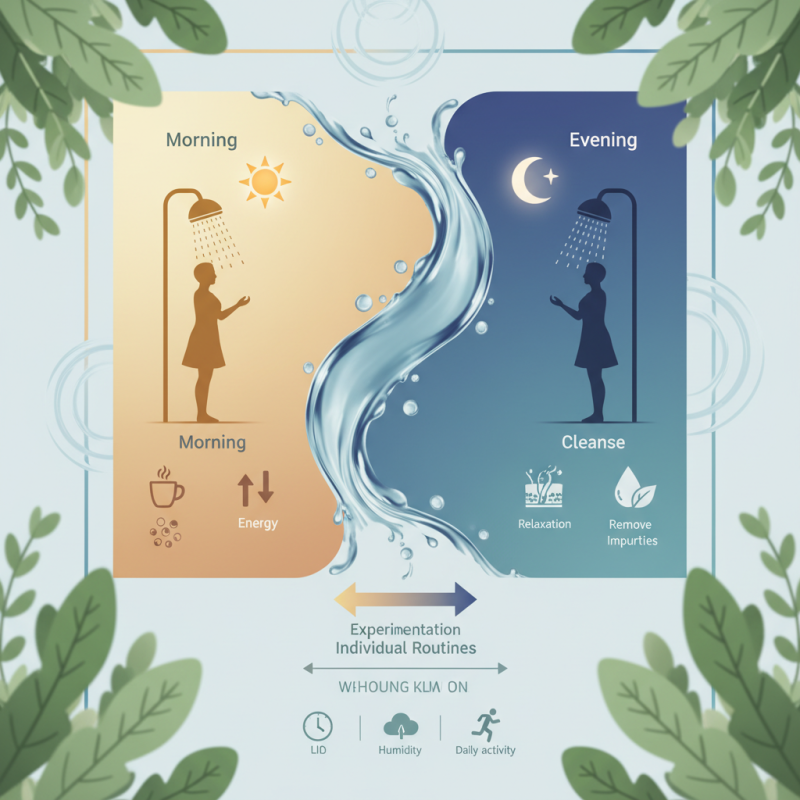
When considering "what is the best time to shower for skin health," Dr. Emily Carson, a renowned dermatologist, emphasizes the importance of timing. She states, “Showering at the right moment can enhance your skin's overall appearance.” For many, the morning shower is invigorating. It helps wake up the body and promotes blood circulation. However, there are nuances to consider. A shower too early may strip natural oils, especially in colder months.

Evening showers can bring relaxation. They help wash away the day's dirt and stress. However, over-showering can lead to dehydration. The debate often revolves around individual routines, skin types, and preferences. Different times of day can yield varying results. So, while many believe the morning is best, others swear by nightly rituals.

Finding your ideal shower time can take experimentation. Factors like humidity, skin sensitivity, and daily activities matter. Keep in mind that optimal skin health is a journey, requiring attention and adjustment to your habits.
Top 10 Best Times to Shower for Healthy Skin Tips?

Best Times to Shower: Understanding Your Skin's Natural Rhythm

Understanding your skin's natural rhythm is key to maintaining healthy skin. Showering at specific times can enhance your skin's appearance and overall well-being. For many, the evening might be the best time. After a long day, it helps cleanse dirt and oil accumulated on the skin. This nightly ritual prepares your skin for recovery during sleep.

Morning showers, on the other hand, can be invigorating. They wake you up and can improve your mood. However, they may strip natural oils, especially if the water is too hot. It’s important to find a balance. Not everyone’s skin reacts the same way. Some might find that showering too frequently dries their skin, leading to irritation. Understanding your skin type can help you choose the right time to shower.

Listening to your skin is essential. Pay attention to how it feels after each shower. If your skin feels tight or itchy, it might be time to adjust your routine. It's not just about being clean; it's about nourishing your skin in line with its natural needs. Creating a personalized shower schedule may require some trial and error, but the results will reveal themselves over time.

Morning Showers: Boosting Circulation and Energizing Your Skin

Taking a morning shower can significantly impact your skin health. The warm water increases blood circulation, promoting nutrient delivery to your skin cells. As blood flows more freely, it helps to rejuvenate the skin, making it look vibrant and fresh. The act of showering can also stimulate the nerve endings in your skin, enhancing your overall sensory experience.

Shower time can also improve your mood. The warmth and comfort of water can boost your energy levels. However, it's essential to find the right temperature. Water that is too hot can strip your skin of natural oils, leading to dryness. Aim for a lukewarm temperature to keep your skin hydrated while still reaping circulation benefits.

Incorporating invigorating body washes or natural exfoliants can enhance your shower experience. However, keep in mind not to over-exfoliate, as it might irritate sensitive skin. Pay attention to how your skin feels after your showers. If it feels tight or dry, you might need to adjust your routine.

Evening Showers: Cleansing Away Daily Pollutants for Skin Health

Evening showers play a crucial role in maintaining healthy skin. After a long day, our skin collects dirt, oil, and pollutants. A study published by the Journal of Dermatological Science found that exposure to outdoor pollutants can lead to oxidative stress and premature aging. Washing away these contaminants in the evening can help the skin recover.

Cleansing your face and body before bed can minimize potential damage. The National Institute of Health advises that nighttime skincare routines should include cleansing to remove impurities. This practice not only prepares the skin for rejuvenation but also enhances the effectiveness of your nighttime skincare products.

Yet, not everyone gets this routine right. Some rush through showers, missing spots or using harsh soaps that can strip moisture. It’s essential to choose a gentle cleanser and give your skin the care it deserves. A mindful approach ensures your skin stays hydrated and healthy.

Top 10 Best Times to Shower for Healthy Skin

Frequency of Showers: Balancing Skin Oil Production and Hydration

Showering too often can disrupt the natural oil balance of your skin. Frequent showers may strip your skin of essential moisture. This can lead to dryness and irritation, especially for those with sensitive skin. Experts recommend adjusting your shower frequency based on your skin type. If you have oily skin, showering daily may help manage excess oil. However, if your skin is dry or prone to eczema, less frequent showers are often better.

Timing also matters. Showering in the morning can refresh your skin and boost circulation, while evening showers may help you unwind. The water temperature is crucial too. Hot water can be particularly drying, so lukewarm showers are usually preferable. While you may enjoy a hot shower, it can leave your skin feeling tight afterward. Consider following up with a moisturizer to lock in hydration.

Finding the right balance is key. Observe how your skin reacts over time. You might find that showering every other day works for you, while others prefer daily showers. Everyone’s skin is different. Pay attention to how your skin feels and adjust your routine to find what makes you feel your best.

Optimal Water Temperature: Protecting Skin Barrier and Preventing Dryness

When it comes to showering, the water temperature plays a crucial role in skin health. Too hot water can strip natural oils from the skin, leading to dryness. Ideally, warm water is best. It helps open pores without causing harm. Keeping the temperature between 98°F and 105°F can protect your skin barrier effectively.

After a shower, the skin can feel tight. This may indicate excessive dryness. To counteract this, consider following up with a hydrating moisturizer. Applying it while the skin is still damp can lock in moisture. However, finding the right product can be a trial and error process. Each person's skin reacts differently to various ingredients.

Also, the timing of your shower matters. Hot showers might be tempting during colder months. Yet, they can lead to long-term issues like eczema if done frequently. Mindful showering habits can help maintain healthy skin. A little awareness about water temperature can go a long way in prevention.

Top 10 Best Times to Shower for Healthy Skin Tips

Time of Day Benefits Optimal Water Temperature Skin Type Suitability
Morning Energizes and refreshes Warm (not hot) All skin types
Before Workout Opens pores and improves circulation Warm Oily skin
After Workout Cleans sweat and bacteria Cool to lukewarm All skin types
Midday Rejuvenates skin Warm Normal skin
Evening Prepares skin for rest Lukewarm Dry skin
Before Bed Relaxes and hydrates skin Warm Sensitive skin
After Sun Exposure Soothes skin and removes UV rays Cool All skin types
Sick Days Improves mood and cleanliness Warm All skin types
During Extreme Weather Balances skin moisture Lukewarm Dry skin
Weekly Spa Days Deep cleans and rejuvenates Hot (with care) All skin types

FAQS

: How does a morning shower benefit skin health?

: Morning showers increase blood circulation, delivering nutrients to skin cells and making them look vibrant.

What temperature should I aim for while showering?

It's best to use lukewarm water. Hot water can strip natural oils and cause dryness.

Can evening showers help with skin health?

Yes, evening showers cleanse the skin of dirt and pollutants, aiding recovery and minimizing oxidative stress.

How can I enhance my shower experience?

Incorporate invigorating body washes or natural exfoliants, but avoid over-exfoliating to prevent irritation.

How often should I shower?

Frequency depends on skin type. Oily skin may tolerate daily showers; dry skin benefits from less frequent washing.

What happens if I shower too often?

Over-showering can disrupt natural oils, leading to dryness and irritation, especially for sensitive skin types.

How important is the cleanser I use?

Choosing a gentle cleanser is vital to avoid stripping moisture and to care for your skin properly.

Why is timing important for showers?

Morning showers can energize, while evening showers help remove impurities and prepare skin for nighttime care.

Should I moisturize after showering?

Yes, moisturizing after a shower helps lock in hydration, especially if you used lukewarm or hot water.

How can I find the right shower routine?

Observe your skin's reactions and adjust frequency based on how your skin feels. Everyone's needs vary.

Conclusion

Understanding what is the best time to shower for skin health is essential for maintaining a radiant complexion. Morning showers can invigorate circulation and energize the skin, making them an excellent choice for starting the day. In contrast, evening showers effectively cleanse away the day's pollutants, helping to maintain skin health by preventing breakouts and irritation.

Frequency of showers also plays a crucial role in skin care, as finding the right balance can help regulate skin oil production and hydration. Additionally, the optimal water temperature is vital; lukewarm water protects the skin barrier and helps prevent dryness. By aligning shower routines with the skin's natural rhythm, individuals can enhance their skin health and overall well-being.

Ethan

Ethan

Ethan is a seasoned marketing professional with a deep expertise in our company's innovative product line. With a passion for sharing knowledge and insights, he takes the lead in regularly updating our corporate blog, where he explores industry trends, product features, and effective marketing......