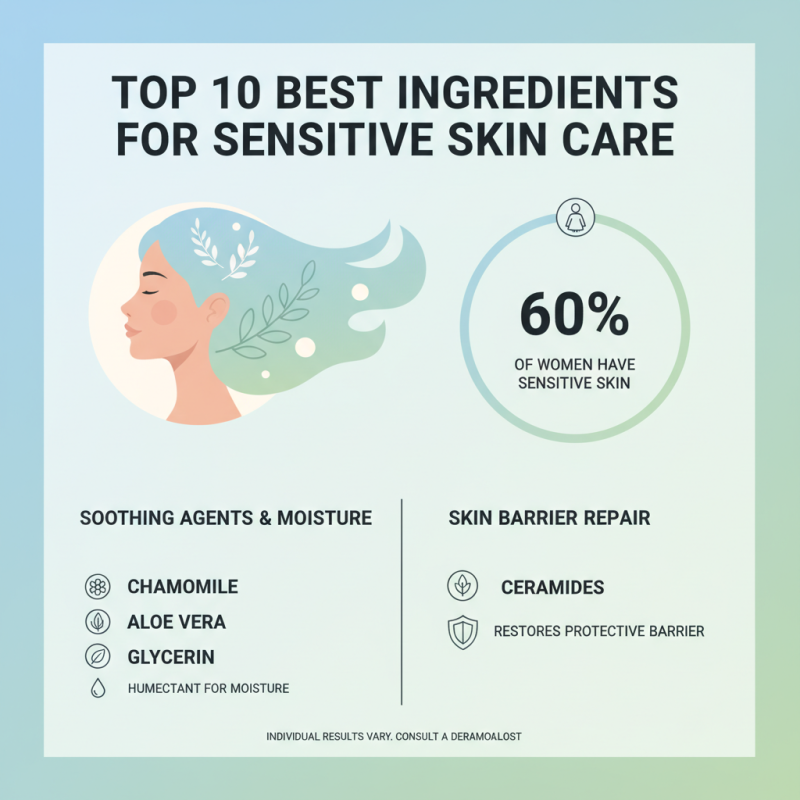
Sensitive skin requires special attention in skincare. According to the American Academy of Dermatology, approximately 60% of women report having sensitive skin. This sensitivity often makes it challenging to find suitable products. Many common ingredients can cause irritation, leading to redness and discomfort.
So, what ingredients are best for sensitive skin? Expert dermatologists agree that soothing agents like chamomile and aloe vera can provide relief. Moreover, humectants such as glycerin help maintain moisture without causing irritation. A study published in the Journal of Investigative Dermatology indicated that ceramides are also crucial for restoring the skin barrier.
Understanding what ingredients benefit sensitive skin is key. It’s not merely about avoiding irritants; it’s about selecting effective components. However, individual reactions can vary greatly. Continuous testing is essential to determine what works best for you. Always stay informed and consult professionals when in doubt.
Sensitive skin is a common concern. It reacts strongly to various stimuli, including harsh products and environmental factors. This skin type often shows redness, irritation, or dryness. Understanding these reactions is crucial for effective care.
Many factors can trigger sensitive skin, such as allergens, temperature changes, or stress. The skin’s barrier is often weakened, leading to increased reactivity. People might notice that products with fragrances or alcohol can cause flare-ups. Learning to identify personal triggers can be beneficial.
Tips: Patch test new products. Apply a small amount on your wrist. Wait for 24 hours to check for reactions. Moreover, choose gentle, fragrance-free products to avoid irritation. Hydration is vital; consider incorporating soothing ingredients like aloe vera. This can help calm the skin.
Additionally, don't forget that diet plays a role too. Certain foods can trigger sensitivities. Keeping a food diary may help reveal patterns. With diligence and observation, one can navigate skincare thoughtfully.
Sensitive skin requires special attention. Many natural ingredients can soothe and protect this delicate skin type. Aloe vera stands out due to its hydrating and anti-inflammatory properties. Studies show it can significantly reduce redness and irritation.
Another excellent ingredient is chamomile. Known for its calming effects, chamomile can ease discomfort and reduce inflammation. Research indicates that products containing chamomile effectively improve skin irritation symptoms.
Shea butter is rich in essential fatty acids. Its emollient properties provide deep moisture for sensitive skin. It creates a protective barrier without causing irritation. Additionally, oatmeal is great for its skin-soothing qualities. This ingredient is often used in sensitive skin formulations for its ability to relieve dryness and flakiness.
Tip: Always patch test new products. Even with natural ingredients, reactions can occur. Start with small amounts to assess your skin's response.
Consider incorporating fragrance-free products. These minimize the risk of irritation. Sensitive skin often reacts poorly to synthetic fragrances. Focus on formulations with fewer ingredients to reduce potential triggers.
Tip: Read labels carefully. Look for ingredients known for their gentle nature. Understanding what works for your skin can prevent future discomfort.
Sensitive skin requires special attention, especially when it comes to hydration. Hydrating agents play a crucial role in maintaining the skin's moisture barrier. Ingredients like hyaluronic acid are favorites due to their ability to hold several times their weight in water. This makes them excellent for providing immediate hydration. Aloe vera is another soothing option. It calms irritation while delivering moisture, making it a staple for sensitive skin care.
Glycerin is a powerful humectant that attracts water to the skin. It helps to create a supple, nourished complexion. Meanwhile, squalane mimics the skin’s natural oils and offers lightweight hydration without clogging pores. People often overlook the importance of these ingredients. Sometimes, the simplest solutions are the best.
Water-rich formulas can feel refreshing, but they might not always penetrate deeply. Look for serums or creams that combine these hydrating agents for maximum effectiveness. Balancing hydration is key. If you notice any discomfort, consider reevaluating your product choices. Experimentation is vital. Not every ingredient works for everyone. Finding what truly soothes your skin can be a journey.
Sensitive skin requires gentle care, and choosing the right ingredients is essential. Several soothing extracts help calm irritation and promote skin health. According to the American Academy of Dermatology, ingredients like chamomile, aloe vera, and calendula have demonstrated anti-inflammatory properties. These extracts can alleviate redness and reduce sensitivity effectively.
Chamomile is particularly popular for its calming effects. It contains antioxidants that help soothe the skin and prevent irritation. Aloe vera is another standout ingredient. Its hydrating properties not only soothe but also repair the skin barrier. Calendula, rich in flavonoids, offers wound healing benefits, making it ideal for those with sensitive skin.
When selecting skin care products, look for formulations free from harsh chemicals. Aim for products labeled "fragrance-free" or "hypoallergenic." Always patch-test new products on a small area of skin. This precaution helps identify potential reactions early. Consider consulting a dermatologist for personalized recommendations on soothing ingredients. Their expertise can guide you in choosing the best products for your needs.
Sensitive skin needs special care. Many common ingredients can trigger irritation or allergic reactions. Research shows that nearly 50% of people with sensitive skin experience adverse reactions from skincare products. Avoid certain ingredients to maintain a healthy complexion.
Fragrances are a major culprit. They can cause redness and rashes. According to a study published in the Journal of Investigative Dermatology, fragrances account for 30% of allergic contact dermatitis cases. Alcohol is another ingredient to watch out for. While it can provide immediate drying effects, it often leads to increased sensitivity over time. It strips moisture, which exacerbates the issue.
Preservatives like parabens and formaldehyde releasers often irritate sensitive skin. Reports indicate that these ingredients can disrupt the skin's barrier function. Many users find that their skin reacts negatively after prolonged exposure. Always check labels and opt for products labeled hypoallergenic. Taking these precautions can help you navigate the complex world of sensitive skincare.
| Ingredient | Benefits | Suitable Skin Types |
|---|---|---|
| Aloe Vera | Soothes and hydrates | Sensitive, Dry |
| Chamomile Extract | Anti-inflammatory and calming | Sensitive, Normal |
| Jojoba Oil | Moisturizing and non-comedogenic | All Skin Types |
| Shea Butter | Deep hydration | Dry, Sensitive |
| Green Tea Extract | Antioxidant and soothing | Sensitive, Combination |
| Oat Extract | Calms irritation and supports skin barrier | Sensitive, Dry |
| Hyaluronic Acid | Hydration and plumping | All Skin Types |
| Squalane | Moisturizes and mimics skin's natural oils | All Skin Types |
| Calendula Extract | Healing and soothing properties | Sensitive, Normal |
| Vitamin E | Antioxidant and skin repair | All Skin Types |
| Irritant Ingredient | Why to Avoid | Potential Effects |
|---|---|---|
| Fragrance | Common allergen and irritant | Redness, itching, and irritation |
| Alcohol | Can be drying and irritating | Dehydration, irritation |
| Sulfates | Harsh cleansers that strip skin | Dryness, irritation |
| Parabens | Potential hormonal disruptors | Allergic reactions, skin irritation |
| Synthetic Dyes | Can cause skin reactions | Irritation, allergic responses |
| Formaldehyde | Known irritant and allergen | Irritation, allergic reactions |
| Mineral Oil | Can clog pores and cause breakouts | Breakouts, irritation |
| Retinol | Can cause irritation in sensitive skin | Irritation, redness |
| Linalool | Common allergen in essential oils | Allergic reactions, skin irritation |
| Ethylene Glycol | Can irritate skin and eyes | Redness, irritation |
: Sensitive skin reacts strongly to stimuli like harsh products and environmental factors. It may appear red or irritated.
Triggers include allergens, temperature changes, and stress. A weakened skin barrier often increases reactivity.
Keeping a food diary and observing reactions to products can help identify personal triggers for sensitive skin.
Choose gentle, fragrance-free products. Patch test new items by applying them on a small skin area first.
Look for hyaluronic acid, aloe vera, and glycerin. These ingredients provide moisture without causing irritation.
Certain foods may trigger sensitivities. Tracking your meals can help pinpoint problematic items in your diet.
Reevaluate your product choices. Experimentation is key, as not every ingredient works for everyone.
Patch testing helps identify potential reactions early. It allows you to try new products safely.
Chamomile has calming effects and contains antioxidants. It can soothe irritation and reduce redness effectively.
If you're unsure which products suit your sensitive skin, a dermatologist can provide personalized recommendations.
Sensitive skin requires special care and consideration, as it is more prone to irritation and reactions from various substances. Understanding what ingredients are best for sensitive skin is crucial for selecting effective products. Natural ingredients, such as chamomile and aloe vera, offer soothing properties that can help calm irritation. Additionally, hydrating agents like hyaluronic acid and glycerin act as key moisturizers, ensuring the skin remains hydrated without causing further sensitivity.
It is also important to incorporate calming extracts, such as oat extract and calendula, which provide relief and reduce inflammation. Conversely, individuals with sensitive skin should avoid irritants like synthetic fragrances and alcohols that can exacerbate reactions. By focusing on these recommended ingredients and steering clear of harsh additives, one can formulate a skin care regimen that nurtures sensitive skin effectively.

Nativis Beauty