How long should a shower routine be in 2026? For most people, five to ten minutes is a practical target. It is long enough to cleanse skin, wash hair, and rinse thoroughly. It is also short enough to reduce water waste and protect the skin barrier.
The U.S. Environmental Protection Agency reports that the average shower lasts about 8.2 minutes and uses approximately 17.2 gallons of water. Its WaterSense guidance also notes that replacing older showerheads can reduce household water consumption. Dermatologist Dr. Hadley King recommends keeping showers brief, explaining, “Aim for a five-to-ten-minute shower.” Her advice reflects a familiar dermatology concern: prolonged exposure to hot water can remove protective oils and leave skin tight, itchy, or flaky.
The answer is not perfectly tidy. Hair density, exercise, climate, and medical conditions can change the ideal routine. A quick post-workout rinse may need only three minutes. A full wash with conditioner may require closer to ten. Hot water feels comforting, but lukewarm water is usually kinder to sensitive skin. The last minute matters. Rinse cleanser from the neck, behind the ears, and between the toes. Pat dry instead of rubbing aggressively. Apply moisturizer while the skin still feels slightly damp.
A 2026 shower routine should measure quality, not just time. Shorter is not automatically better. Careful is better. Reference points include EPA WaterSense recommendations and dermatology guidance from the American Academy of Dermatology. These sources support a balanced goal: clean skin, lower water use, and less unnecessary irritation.
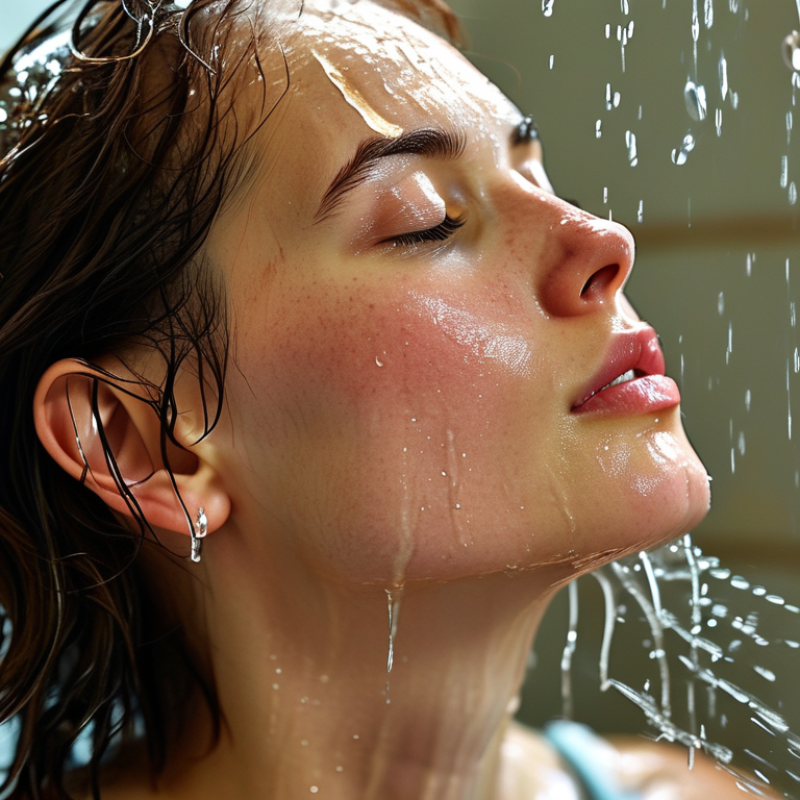
For most adults, the ideal shower length in 2026 is about seven to ten minutes. The American Academy of Dermatology recommends short, warm showers, especially for dry or sensitive skin. Water that feels hot can strip surface oils and leave tight, itchy skin afterward. Five minutes may be enough for a quick rinse. Hair washing, shaving, or post-workout cleaning can reasonably take longer. Bodies are not identical.
Water use makes the timing more concrete. The U.S. Environmental Protection Agency reports that a standard showerhead using 2.5 gallons per minute can consume 25 gallons during a ten-minute shower. Its WaterSense specification limits labeled showerheads to 2.0 gallons per minute, reducing water use without requiring a cold, uncomfortable routine. A simple timer near the bathroom mirror can reveal habits that feel shorter than they are. Mine would probably surprise me.
Dermatology guidance also supports applying moisturizer soon after patting dry, while the skin still feels slightly damp. Scrubbing harder does not necessarily make skin cleaner. It can increase irritation. A practical routine is to rinse, cleanse sweat-prone areas, wash hair when needed, and avoid lingering under the spray. Seven minutes is a useful starting point, not a strict rule. Some mornings, it is unrealistic.
A balanced shower routine usually takes 8 to 12 minutes. The exact time depends on your hair, skin, and daily activities. Very hot water can leave skin tight, so use comfortably warm water instead.
Give your body a quick rinse for about 30 seconds. This helps loosen sweat and surface dirt.
Wet your hair for 30 to 60 seconds before applying shampoo. Massage the scalp gently for about one minute, then rinse for another minute. Apply conditioner mainly to the mid-lengths and ends, leaving it for two to three minutes.
Clean your face for 30 seconds with gentle movements. Body cleansing usually needs two minutes, with extra attention around the neck, underarms, feet, and skin folds. Do not scrub hard; irritation is not proof of better cleaning.
Shaving may add three to five minutes. Use short strokes and rinse the razor often. Finish with a 30-second rinse, then pat your skin dry instead of rubbing it. Apply moisturizer within a few minutes, especially if your skin feels dry. In my experience, rushing hair rinsing causes more trouble than shortening body washing. Still, these timings are not strict rules. I sometimes spend longer after exercise and less time on quiet mornings. Reflect on your skin afterward: tightness, redness, or itching may mean the water is too hot or the routine is too aggressive.
Your recommended shower time depends on more than the clock. The American Academy of Dermatology recommends keeping showers to 5–10 minutes. Hot water can remove protective skin oils, especially during winter or when eczema causes dryness. After exercise, sweat and salt may justify a careful wash, but longer is not always cleaner. Hair thickness, scalp oil, age, mobility, and local climate also matter. A humid summer shower may need less time than a post-workout rinse.
Water and energy use deserve attention. The U.S. Environmental Protection Agency’s WaterSense data estimates an average shower lasts about 8.2 minutes and uses roughly 17.2 gallons with a standard flow rate. A small extension adds up across a household. Still, eight minutes is not a universal target. Someone with limited mobility may need extra time, and rushing can create safety risks. I used to treat a long, steaming shower as harmless recovery. That assumption was comfortable, but not especially thoughtful.
Tips: Set a gentle timer near the mirror. Use warm, not very hot, water. Clean sweat-prone areas first, then rinse efficiently. Keep shampoo away from already-irritated skin. Apply moisturizer within a few minutes of drying. If itching, cracking, or persistent redness continues, consult a qualified dermatologist rather than simply shortening every shower. Testing a seven-minute routine for one week may reveal what your skin and schedule actually require.
A practical shower routine usually takes five to ten minutes. Longer showers may feel relaxing, but hot water can strip protective skin oils. I keep the water lukewarm and wash my hands, face, underarms, groin, and feet carefully. I clean the rest of my body gently, especially when sweat or visible dirt is present. My routine is not perfect. On busy mornings, I sometimes rush my feet, then notice dry skin later.
Tips: Prepare your towel and clean clothes before turning on the water. Use a mild, fragrance-free cleanser if your skin feels sensitive. Wash your hair according to its oiliness, texture, and activity level, rather than following a fixed schedule. Rinse cleanser fully, but avoid harsh scrubbing. A soft touch works better.
Keep the shower efficient by following a simple order: rinse → wash hair → cleanse the body → rinse again. This prevents shampoo residue from remaining on your neck or back. Afterward, pat your skin dry instead of rubbing it aggressively. Apply a plain moisturizer within a few minutes, while the skin still feels slightly damp. If your skin stays itchy, cracked, or unusually red, reduce heat and seek advice from a qualified healthcare professional. Sometimes the “perfect” routine needs adjustment. Bodies change.
A healthy shower does not need to be long. The American Academy of Dermatology recommends keeping showers to 5–10 minutes. Warm water is safer for the skin barrier than steaming water. A longer shower may suit someone after intense exercise, outdoor work, or visible dirt. Even then, extra minutes do not automatically mean better hygiene. Hot water can leave skin tight, itchy, and rough. I sometimes underestimate this effect, especially during cold weather.
Tips
Keep the water warm, not hot. Wash sweat-prone areas carefully, including the underarms, feet, and groin. Use a gentle cleanser where needed instead of scrubbing every inch. People with dry or sensitive skin may need a shorter shower, around five minutes. Rinse shampoo fully, but avoid repeatedly washing irritated skin. Pat dry and moisturize while the skin remains slightly damp.
Water use also matters. The U.S. Environmental Protection Agency’s WaterSense program defines efficient showerheads as using no more than 2.0 gallons per minute. A 10-minute shower can therefore use about 20 gallons. Older fixtures may use more. This makes a shorter routine practical, not merely fashionable. Still, timing should remain flexible. A quick rinse may be enough after light activity, while heavy sweat can justify more careful cleaning. Skin comfort is useful feedback, but it is not perfect. Persistent redness, cracking, or itching deserves advice from a qualified healthcare professional.
| Shower Duration | Best-Suited Routine | When It Is Appropriate | Potential Benefits | Potential Drawbacks | Estimated Water Used* |
|---|---|---|---|---|---|
| 2–5 minutes | Quick rinse or targeted wash | After light sweating, during hot weather, or when only key areas need washing | Uses less water and may reduce exposure to hot water that can dry the skin | May not provide enough time for thorough cleansing, hair washing, or shaving | About 4–11 gallons (15–23 liters) |
| 5–10 minutes | Standard daily shower | Most everyday routines, including body cleansing, face washing, and a brief hair rinse | Usually enough time for effective washing while limiting water and heat exposure | A longer duration within this range may still dry sensitive skin if the water is very hot | About 11–21 gallons (42–80 liters) |
| 10–15 minutes | Extended personal-care shower | When washing long or thick hair, conditioning, shaving, or rinsing after substantial exercise | Allows multiple steps without rushing, especially when hair requires extra rinsing | Consumes more water and can increase skin dryness, particularly with hot water | About 21–32 gallons (80–121 liters) |
| 15–20 minutes | Occasional long shower | Deep hair-care routines, removal of heavy dirt, or recovery after demanding outdoor work | Provides additional time for careful rinsing and removal of sweat, soil, sunscreen, or debris | Higher water use; prolonged heat may aggravate dryness, itching, or irritation | About 32–42 gallons (121–159 liters) |
| More than 20 minutes | Infrequent or task-specific use | Only when a specific cleaning, medical, accessibility, or hair-care need requires extra time | May be practical when mobility, rinsing, or specialized care makes a short shower difficult | Substantially increases water and energy use and may weaken the skin’s protective barrier | More than 42 gallons (more than 159 liters) |
Aim for about five to ten minutes. Around eight minutes is a practical average. It is not a strict rule.
Yes. Very hot water can remove protective skin oils. Lukewarm water is usually gentler, especially during dry weather.
Sweat and salt may require careful washing after exercise. A longer shower is not automatically cleaner. Focus on sweaty areas.
Wash the hands, face, underarms, body folds, and feet carefully. Clean visible dirt and sweat without harsh scrubbing.
Prepare a towel and clean clothes first. Rinse, wash hair, cleanse the body, then rinse again. Keep the order simple.
It depends on scalp oil, hair thickness, texture, and activity. A fixed schedule may not suit everyone. I still sometimes guess wrong.
Use a gentle timer near the mirror. A standard shower may use about 17.2 gallons in 8.2 minutes. Small extensions accumulate.
Pat the skin gently instead of rubbing. Apply plain moisturizer within a few minutes, while the skin remains slightly damp.
Seek qualified medical advice if itching, cracking, or redness continues. Simply shortening every shower may miss the real problem.
Yes. Extra time may improve safety and comfort. Rushing can cause slips or missed areas. Efficiency should not become pressure.
In 2026, the ideal shower routine should balance cleanliness, comfort, and water conservation. For most people, a shower lasting about five to ten minutes is enough for everyday washing, while the exact time depends on personal needs. A practical routine may include one to two minutes for wetting and cleansing, a few minutes for washing the body and hair, and a brief rinse at the end. Rather than focusing only on the clock, consider whether each step is necessary and avoid extended exposure to very hot water.
When deciding how long should a shower routine be, consider factors such as skin type, hair texture, exercise habits, climate, and daily activity levels. A shorter shower may be better for sensitive or dry skin, while a longer routine can be appropriate after intense exercise, outdoor work, or swimming. To make the routine efficient, prepare products beforehand, follow a consistent order, and keep water running only when needed. The best routine is one that leaves you clean and refreshed without causing skin discomfort or unnecessary water use.

Nativis Beauty